
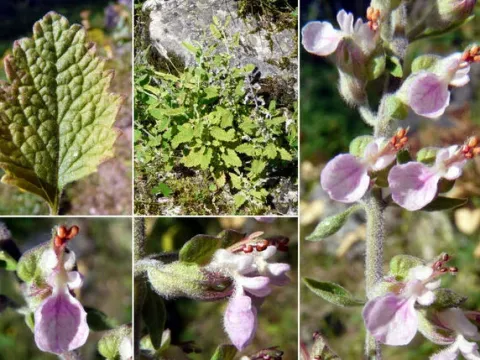
Massilien germander
Teucrium massiliense
Teucrium massiliense, a perennial member of the Lamiaceae family, can be propagated through seeds or stem cuttings, depending on the scale of the agricultural project.
What the section contains
Massilien germander
Seeds should be sown in a well-draining seedbed during early spring, requiring consistent temperatures around 18-20°C to ensure successful germination across the batch.
For vegetative propagation, semi-hardwood cuttings taken in late spring provide the best results, as they establish a robust root system quickly under controlled humidity levels.
When transplanting into the field, ensure a spacing of at least 30-40 cm between plants to allow for adequate airflow and to prevent competition for essential soil nutrients.
Seedlings should be hardened off before final planting, especially if they have been raised in a greenhouse environment, to avoid transplant shock and ensure steady growth.
This species is well-adapted to Mediterranean climates, thriving in full sun where it can receive maximum exposure to sunlight, which is vital for oil production.
The plant demonstrates remarkable drought resistance once established, making it a sustainable choice for regions with limited water resources and high evaporation rates.
Soil requirements are relatively specific: it demands well-drained, porous, and preferably calcareous soil, as it performs poorly in heavy or waterlogged clay conditions.
Irrigation management should focus on preventing water accumulation near the base of the stem, as high moisture levels are the primary cause of root diseases in this crop.
Maintenance of optimal soil pH is important, with the plant favoring neutral to slightly alkaline conditions, which enhances the development of its secondary metabolites.
The primary agricultural objective for Teucrium massiliense is the extraction of its aromatic leaves and flowering tops for the pharmaceutical and cosmetic industries.
Yield stability is achieved through a multi-year cropping cycle, with the biomass weight increasing significantly from the second year onwards as the root system matures.
Consistent pruning and proper field management allow farmers to harvest the crop multiple times during the season, depending on the specific climatic conditions of the growing area.
Strategic timing of the harvest is crucial to maximize the essential oil content, which directly influences the market value and quality of the final processed product.
Proper nutrient management, including balanced nitrogen, phosphorus, and potassium applications, helps maintain high productivity levels throughout the life of the plantation.
Typical pest pressures include aphids and spider mites, which tend to congregate on the succulent growth of the plant during periods of prolonged heat or dryness.
Root diseases, particularly those caused by Pythium species, are common in poorly drained fields and can cause systemic plant death if not treated via improved drainage.
Fungal issues like powdery mildew can arise in overcrowded or poorly ventilated plantings, necessitating regular thinning and proactive environmental management strategies.
- Aphids (Aphididae) — damage growing tips
- Spider mites (Tetranychidae) — cause leaf discoloration
- Root rot — triggered by waterlogging
- Powdery mildew — fungal infection of foliage
Integrated Pest Management (IPM) practices, including the use of beneficial predators and organic control agents, are recommended to maintain plant health and safety.
Harvesting should coincide with the peak flowering phase, as this is when the density of aromatic oils and bioactive compounds is highest within the plant's aerial tissues.
Using sterilized shears, the plant is harvested by cutting back the stem, leaving sufficient foliage to ensure the plant can recover and regenerate for the following season.
Post-harvest processing involves rapid drying in a temperature-controlled, shaded environment to prevent the degradation of volatile essential oils and chlorophyll.
After the harvest, weed control and light cultivation between rows are necessary to prevent the competition that can inhibit the plant’s regrowth cycle before winter.
Once dried, the crop should be stored in cool, dark, and dry conditions to maintain its aromatic profile and overall pharmacological potency over an extended period.