
Marrubium peregrinum
Marrubium peregrinum
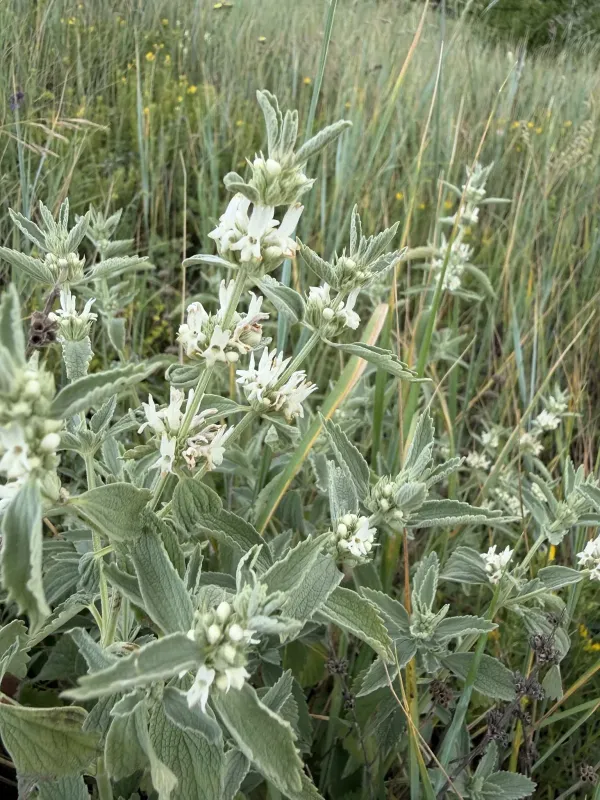
Description
Sowing dates
Marrubium peregrinum, a member of the Lamiaceae family, is a perennial herbaceous plant requiring specific conditions for successful establishment from seed.
Seeds are typically sown in early spring or late autumn, allowing for a natural stratification period that significantly improves germination rates in the spring.
The seeding depth should be shallow, approximately 1-2 centimeters, as the seeds need minimal soil coverage and adequate light to initiate the germination process.
Row spacing is recommended at 45 to 60 centimeters, providing sufficient ventilation and space for mechanical weeding and cultural management during the growth cycle.
Establishing a permanent stand is critical, as this perennial crop can remain productive on the same site for several years with proper nutrient management.
Growing requirements
This species is highly drought-tolerant and thrives in full sunlight, making it an excellent candidate for cultivation in arid or semi-arid regions.
The plant prefers well-drained, calcareous or rocky soils and is highly sensitive to waterlogging, which can rapidly lead to root decay and crop failure.
Marrubium peregrinum is well-adapted to temperate climates and demonstrates excellent cold hardiness, surviving harsh winters common in steppe ecosystems.
Standard agronomic practices include regular cultivation of inter-rows in the first year to minimize competition from weeds, as the initial growth stage is quite slow.
Fertilization should be moderate, as excessive nitrogen levels can reduce the concentration of active medicinal compounds within the plant tissues.
Yield
The yield of dried herb is highly dependent on environmental factors and plant maturity, with maximum biomass production occurring from the third year onwards.
Growers can expect an average yield ranging from 15 to 25 centners per hectare when adhering to optimal cultivation protocols and harvest timings.
Harvesting should be synchronized with the peak flowering phase to ensure the highest accumulation of essential oils and other biologically active secondary metabolites.
Beyond its pharmaceutical value, the plant serves as a vital nectar source for pollinators, contributing to biodiversity within agro-ecosystems.
Processing involves drying the harvested biomass in controlled conditions, ensuring that the moisture content is low enough to prevent microbial spoilage.
Main diseases and pests
Marrubium peregrinum is generally resistant to many pests due to its aromatic profile, but it is not entirely immune to agricultural threats.
Excessive humidity or poor air circulation within the field can promote fungal diseases, such as powdery mildew, which affect the quality of the foliage.
Occasional infestations by aphids or leaf-feeding beetles require vigilant monitoring and, if necessary, the use of organic-approved pest control measures.
Crop rotation is essential to prevent the buildup of soil-borne pathogens, especially when planting in fields previously used for other Labiate crops.
Maintaining proper plant density is a key preventative strategy to ensure sufficient airflow and minimize the risk of environmental stress and disease.
Harvesting
Harvesting is performed during the peak flowering stage, when the active components in the flowering tops are at their peak concentration.
Mechanical mowing is the standard harvest method, with the blade height set at approximately 15 centimeters to protect the plant's basal buds for regrowth.
Freshly cut material must be transported immediately for processing to avoid heat accumulation and degradation of sensitive active ingredients.
Drying is conducted in well-ventilated sheds or industrial drying units, maintaining temperatures below 45 degrees Celsius to preserve chemical integrity.
Final quality control involves checking the moisture content and purity of the dried herb before packaging for supply to herbal product manufacturers.