
Marrubium thessalum
Marrubium thessalum
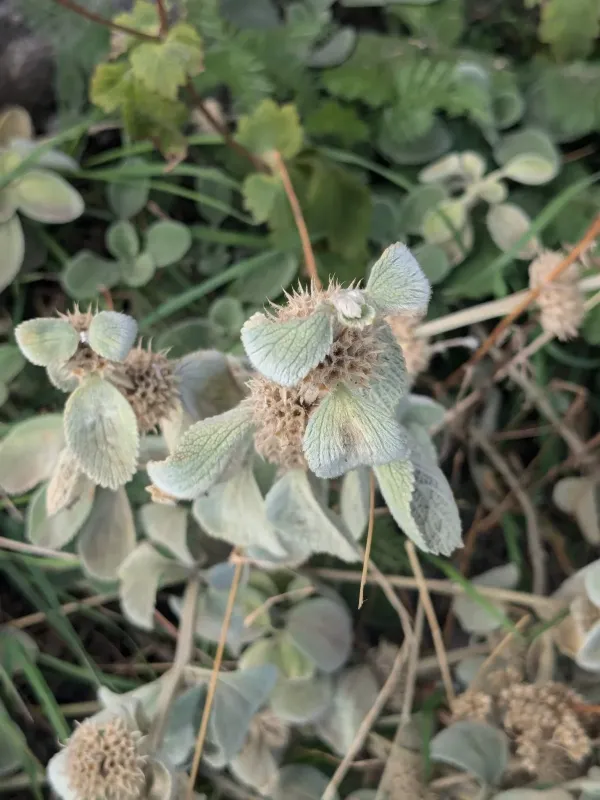
Description
Sowing dates
Marrubium thessalum is a perennial herbaceous plant belonging to the Lamiaceae family. Sowing is best performed in early spring or late autumn depending on local climatic conditions.
Seeds are small and have a slow germination rate, often requiring pre-sowing stratification to ensure uniform emergence across the field.
Rows should be spaced at least 45 to 60 centimeters apart to provide sufficient air circulation and space for growth, which is critical for preventing fungal infections.
The seeds should be sown shallowly, ideally not deeper than 1 centimeter, and covered lightly with soil or compost to maintain moisture without hindering emergence.
Weed management during the initial stages is essential, as the young Marrubium seedlings are slow-growing and can be easily outcompeted by more aggressive weeds.
Growing requirements
This species thrives in sunny locations and is well-adapted to dry, rocky, or gravelly soils, reflecting its origin in the mountainous regions of Greece.
Good soil drainage is the most critical requirement, as Marrubium thessalum is highly susceptible to root decay when exposed to waterlogged or heavy, clay-rich soils.
The plant prefers neutral to slightly alkaline soil pH and does not require heavy fertilization, as nutrient-rich soils can sometimes reduce the concentration of active medicinal compounds.
It is highly resistant to heat and moderate drought once established, making it a sustainable choice for cultivation in Mediterranean or semi-arid climates.
In terms of light, the plant is a full-sun species and will become leggy and less productive if planted in shaded areas or deep cover.
Main diseases and pests
Root rot and powdery mildew are the primary disease threats, usually occurring when humidity levels are high or soil drainage is insufficient.
Aphids and spider mites are the most common pests, which can multiply rapidly during hot and dry spells, weakening the plant and damaging the foliage.
Integrated pest management strategies are recommended, focusing on maintaining plant vigor through proper spacing and moisture control rather than heavy chemical use.
Crop rotation is vital to avoid the buildup of soil-borne pathogens that commonly affect members of the Lamiaceae family in agricultural settings.
Field hygiene, including the removal of dead or infected plant material, helps in minimizing the spread of pathogens throughout the growing season.
Harvesting
Harvesting should coincide with the peak flowering stage to ensure the highest quality of the harvested aerial parts, which contain the essential oils.
The stems are typically cut using mechanical cutters at a height that allows for quick regrowth and avoids cutting into the woody base of the plant.
Post-harvest processing involves rapid drying in a well-ventilated, shaded environment to prevent color degradation and the loss of active chemical constituents.
Moisture content should be reduced to approximately 10-12 percent for stable storage, preventing mold growth in the packaged herbal product.
Yield varies based on soil quality and water availability, with consistent management allowing for multiple years of harvest from the same plantation.