
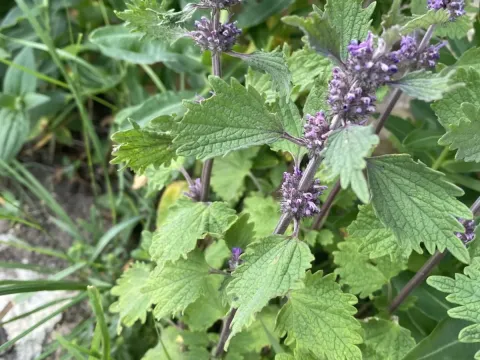
Marrubium leonuroides
Marrubium leonuroides
Marrubium leonuroides is a perennial herbaceous plant belonging to the Lamiaceae family, highly valued for its phytochemical and essential oil profile.
What the section contains
Marrubium leonuroides
Seed sowing is typically performed in early spring, when the soil reaches stable temperature levels, ensuring optimal conditions for germination.
For large-scale cultivation, seeds are sown in rows spaced 50-70 cm apart, which allows for mechanical weed control and sufficient aeration of the crops.
Vegetative propagation via root division is also practiced to maintain genetic uniformity, usually performed during the plant's dormant phase in autumn.
Shallow depth of sowing, approximately 1-2 cm, is crucial because the small seeds require minimal cover to emerge successfully through the soil surface.
This crop thrives in sunny locations with well-drained, neutral, and medium-textured soils, avoiding heavy clay soils prone to waterlogging.
Although the plant is drought-tolerant, supplemental irrigation during the peak growing season enhances biomass production and essential oil yields.
High levels of solar radiation are essential for the synthesis of secondary metabolites, making site selection a critical factor for quality production.
The plant requires consistent soil management to prevent compaction, which can otherwise impede root development and reduce the overall lifespan of the crop.
Protection from cold, strong winds is recommended in exposed areas to prevent physical damage to the stalks and improve the general health of the plants.
Under favorable climatic conditions and proper agricultural management, the dry biomass yield ranges between 1.5 to 2.5 tonnes per hectare.
Yields typically increase in the second and third years of establishment as the root system matures and expands to support more vegetative growth.
Strategic fertilization with balanced NPK levels, specifically focusing on potassium, can significantly boost the quality and concentration of active substances.
Harvesting at the peak of the flowering stage ensures the maximum concentration of therapeutic compounds, which is essential for pharmaceutical applications.
Proper density management allows for individual plants to reach their full potential, thereby contributing to higher overall field productivity.
Fungal pathogens such as powdery mildew can be a significant threat, especially during periods of high humidity and poor ventilation in the canopy.
Insects like aphids and various leaf-feeding beetles require regular monitoring and integrated pest management strategies to mitigate damage to foliage.
Preventive measures include maintaining adequate spacing to promote airflow and removing crop residues promptly after the harvest to limit pathogen survival.
Biological controls and selective organic fungicides are the preferred methods for protecting the crop while maintaining the purity of the medicinal product.
Implementing a strict crop rotation schedule prevents the build-up of soil-borne diseases that could jeopardize the productivity of the herb fields.
Harvesting occurs when the plants are in full bloom, ensuring that the pharmacological activity of the leaves and flowering tops is at its highest point.
Mechanical harvesting involves cutting the plants about 10-15 cm above ground level, which facilitates faster regrowth for subsequent harvest cycles.
Immediate processing is necessary; the harvested biomass should be dried in shaded, ventilated facilities at temperatures not exceeding 40°C to preserve quality.
Proper storage involves keeping the dried product in dark, moisture-free environments to prevent the degradation of essential oils and active ingredients.
Quality assurance steps include sorting the harvested material to remove weeds and foreign matter, ensuring that the final output meets industry standards.