
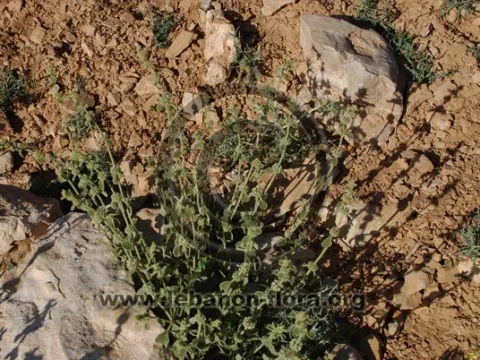
Marrubium globosum
Marrubium globosum
Sowing of Marrubium globosum is best performed in early spring as soon as the soil temperatures rise to 8–10 degrees Celsius. In warmer climates, autumn sowing is an option, as the seeds benefit from a period of natural stratification, leading to more vigorous spring emergence.
What the section contains
Marrubium globosum
Seeds should be sown at a shallow depth of 1–2 centimeters. Given their small size, a finely prepared seedbed is essential to ensure consistent soil contact, preventing the seeds from drying out during the critical germination phase.
The recommended row spacing is 45–60 centimeters. This provides sufficient space for mechanical weeding and ensures that the plants receive optimal airflow, which is crucial for preventing humidity-related diseases within the crop canopy.
Seeding rates should be adjusted based on seed viability, typically ranging from 1.5 to 2 kilograms per hectare. Proper calibration of seeding equipment is necessary to maintain a uniform stand and avoid overcrowding.
Seedlings emerge within 14–20 days under favorable moisture conditions. It is important to keep the field free of weeds during the first month, as the young plants are slow to establish and can be easily outcompeted by fast-growing weeds.
Marrubium globosum thrives in locations with full sun exposure. Adequate light intensity is vital for the plant to develop its full chemical profile, including the accumulation of desirable essential oils in its glandular hairs.
Well-drained, light-textured soils such as sandy loams are ideal for this species. It does not tolerate waterlogged conditions, so fields must be situated in areas with good drainage to prevent the root rot commonly associated with poorly managed sites.
The plant demonstrates significant drought tolerance once established. Its deep root system allows it to scavenge for water during dry spells, making it an excellent candidate for regions with unpredictable or low rainfall.
While the plant is not highly demanding in terms of soil fertility, it responds positively to balanced nitrogen-phosphorus fertilization in the early growth phase. Excess nitrogen should be avoided as it may promote vegetative growth at the expense of oil quality.
This species is well-adapted to temperate climates and can withstand varied seasonal temperatures. It is hardy enough to survive winter conditions, provided the soil remains well-drained and the plants are not subjected to prolonged ice cover.
The yield of green biomass depends on the management intensity and harvesting frequency. Under optimal conditions, a yield of 10–15 tonnes per hectare can be achieved during a single growing season from multiple cuts.
To ensure high quality, harvesting must be timed with the peak of the flowering phase. This is when the secondary metabolites and essential oils are most concentrated, ensuring maximum market value for the raw botanical material.
Two harvests per season are possible with proper irrigation and nutrient management. While the second cut may produce less biomass than the first, it can still be highly productive if environmental conditions remain favorable through late summer.
Economic efficiency is closely linked to immediate processing. Since essential oils are volatile, the biomass should be processed for oil extraction or dried under controlled conditions within a few hours of cutting.
Seed production is consistent and reliable in this species. With appropriate care, a dedicated seed production area can yield 300 to 500 kilograms of high-quality, viable seeds per hectare, sufficient to support future planting needs.
Root rot caused by stagnant water or soil pathogens is the primary threat to the stability of the stand. Implementing long-term crop rotation cycles is the most effective preventative strategy to minimize soil-borne disease pressure.
Powdery mildew may occur during periods of high atmospheric humidity, particularly in dense stands with poor airflow. Maintaining correct plant spacing is the best organic method for reducing the risk of fungal infections.
Aphids can infest young shoots during the rapid growth phase of spring. Scouting the fields early allows for the implementation of targeted control measures before the population reaches an economic threshold that impacts yield.
Nematode infestations can occur in fields where the crop is grown repeatedly without rotation. Using clean planting material and practicing diverse crop rotation schedules are essential for preserving soil health.
Weeds are a significant competitive threat, particularly during the seedling stage. Since the plant is often harvested for its medicinal properties, chemical weed control must be used cautiously or avoided in favor of mechanical cultivation.
Harvesting is performed using mechanical forage harvesters or specialized herb cutting equipment. The cutter bar should be set at a height of 10–15 centimeters to allow for rapid plant regeneration for subsequent harvests.
It is best to harvest in the morning once the dew has evaporated but before the heat of the day reaches its peak. This timing preserves the highest concentration of volatile oils within the leaf tissue.
Drying must be conducted in specialized facilities with active air circulation and temperatures not exceeding 40 degrees Celsius. Excessive heat causes the rapid evaporation of essential oils, significantly reducing the product's quality.
Once dried, the raw material should be handled with care to minimize crumbling, as intact leaves retain their active ingredients longer. The final product should be stored in moisture-resistant containers in a cool, dark location.
Standard quality control involves measuring the residual moisture content before final packaging. High-quality dried herbs should be free of dust, soil, and foreign debris to meet the strict standards of the pharmaceutical and cosmetic industries.