
Meehania urticifolia
Meehania urticifolia
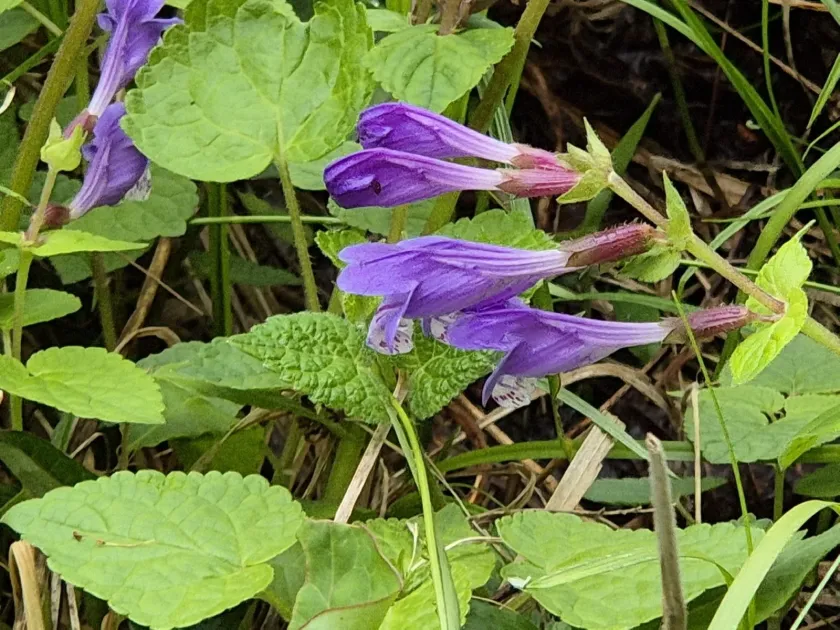
Description
Sowing dates
Meehania urticifolia is typically propagated through division, which allows for the rapid establishment of new patches. This process is best performed in early spring or late summer when the plant is not in full flower, ensuring the divisions have sufficient time to root before seasonal transitions.
Seed propagation is also possible but requires a period of cold stratification to overcome dormancy. Seeds should be sown in a sterile seed-starting mix and placed in a cold frame or refrigerator for several weeks to simulate winter conditions before germinating in the warmth.
When sowing, provide bright but indirect light to the germinating seedlings. Once the second set of true leaves develops, the seedlings can be transplanted into individual containers to allow the root system to strengthen before final planting.
Spacing is crucial for this species; allow 30–45 cm between plants to accommodate the stoloniferous growth habit. Overcrowding can lead to poor air circulation, which may increase the risk of humidity-related diseases during the peak summer months.
Applying a light layer of organic mulch around the newly planted seedlings helps preserve soil moisture and provides a stable environment for root expansion. Ensure the mulch does not directly touch the stem to prevent potential rot.
Growing requirements
As a member of the Lamiaceae family, Meehania urticifolia thrives in environments that mimic woodland conditions. It prefers partial to deep shade, making it an excellent choice for northern exposures or sheltered spots under deciduous tree canopies.
The soil should be rich, moisture-retentive, and slightly acidic. Adding compost or well-rotted leaf mold to the planting site ensures that the soil structure remains loose, which is beneficial for the creeping rhizomes to spread effectively.
Watering requirements are consistent; the plant should never be allowed to dry out completely. However, stagnant water is detrimental to the roots, so ensure the site has excellent drainage to prevent anaerobic soil conditions.
Temperature tolerance is high, as the plant is well-adapted to temperate climates. During exceptionally harsh winters, a light covering of straw or evergreen boughs can protect the crown from extreme frost cycles and heaving.
Fertilization should be handled with care. A balanced, slow-release organic fertilizer applied in early spring is usually sufficient to support vigorous growth and blooming without causing the leggy, weak stems that can result from excessive nitrogen.
Main diseases and pests
Fungal issues, particularly powdery mildew and leaf spot, represent the most common threat to Meehania urticifolia. These diseases typically emerge in areas with poor airflow and high humidity, necessitating corrective pruning and fungicide applications.
Slugs and snails are major pests that find the succulent leaves of the plant highly palatable. Implementing physical barriers like copper tape or using organic iron phosphate pellets can effectively mitigate damage during damp spring and autumn weather.
Aphids can occasionally infest new growth during the spring surge. These insects weaken the plant by extracting sap; regular inspection and the use of insecticidal soaps or neem oil are effective at managing these small populations.
Root rot is often a consequence of poor drainage rather than a direct pathogen attack. If a plant appears wilted despite moist soil, it is vital to inspect the root zone for signs of decay and adjust the site's drainage accordingly.
Maintaining a clean garden bed by removing leaf debris helps limit the shelter available to pests. Healthy, properly spaced plants are significantly more resistant to environmental stressors and secondary pathogen infections.