
Snowy wood-rush
Luzula nivalis
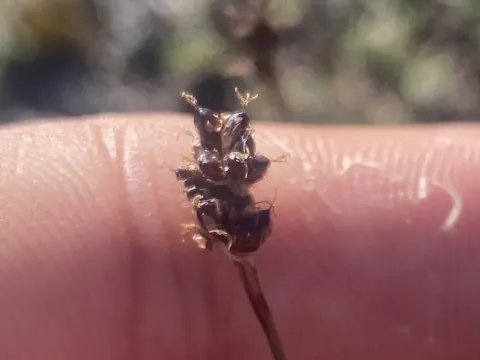
Snowy wood-rush (Luzula nivalis) is a perennial herb belonging to the Juncaceae family. This species is native to arctic and alpine regions, showcasing extreme adaptations to survive in climates with very short growing seasons and permafrost conditions.
What the section contains
Snowy wood-rush
Botanically, the plant grows in dense tufts, which provide thermal insulation for its root system. Its leaves are narrow, often ciliate, which helps in minimizing transpiration while protecting the plant from mechanical damage caused by wind-blown snow and ice crystals during the harsh arctic winters.
Regarding soil requirements, the plant prefers well-moistened substrates. It is commonly found in stony, sandy, or peaty soils that remain cool throughout the year. It does not tolerate prolonged drought, requiring a stable water supply, typically provided by meltwater runoff in high-latitude zones.
Growth efficiency of this species is highly dependent on long photoperiods. In its natural environment, the constant daylight during the summer months triggers rapid development, allowing the plant to complete its reproductive cycle before the onset of the next winter frost.
Economically, while not a commercial crop in the traditional sense, snowy wood-rush is a vital component of northern ecosystems. Research into its cultivation focuses on land restoration, soil stabilization in arctic infrastructure projects, and its potential role as a supplementary grazing forage for reindeer populations.
The primary threats to Luzula nivalis are related to environmental disturbances, such as mining activities or heavy grazing, which damage the slow-growing root systems. Once the vegetative mat is broken, the plant struggles to recover in the nutrient-poor, cold environment.
Pathogen and pest pressure is negligible within its native range due to the extreme climate. However, shifts in the local ecosystem caused by global warming may introduce new invasive species or insects that could disrupt the balance of these fragile arctic plant communities.