
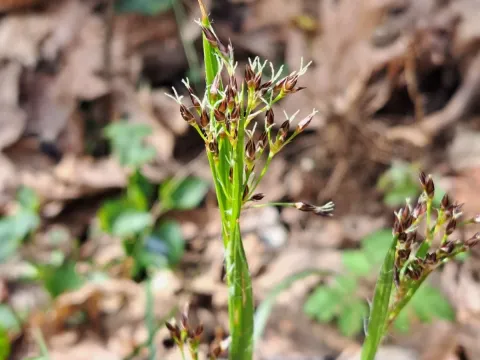
Southern woodrush
Luzula forsteri
Southern woodrush (Luzula forsteri) is a perennial herbaceous plant belonging to the Juncaceae family. It is widely recognized in professional landscaping for its ability to create dense, evergreen ground cover in shaded environments.
What the section contains
Southern woodrush
The plant originates from European and Caucasian woodlands. Its evolutionary adaptation to shaded forest floors allows it to thrive in low-light conditions where most traditional agricultural crops would fail to establish.
Success in cultivation requires well-drained, fertile soil with a slightly acidic pH. While it prefers moisture, it is imperative to avoid waterlogged conditions, which can be detrimental to the plant's root system during dormant winter months.
Climatic requirements involve moderate, temperate conditions. The plant is hardy but benefits from a layer of mulch in regions with harsh, frost-prone winters to protect its shallow root system from extreme fluctuations in ground temperature.
Agronomic management is relatively straightforward, focusing on moisture retention and seasonal cleaning. Removing old, discolored foliage in early spring encourages a vigorous flush of new growth, maintaining the plant's decorative appeal.
Southern woodrush is remarkably resilient against common agricultural pests. Its leaves contain high levels of silica and secondary metabolites that deter most herbivores and insect pests, making it a low-maintenance choice.
Potential threats include root rot pathogens, which are almost exclusively triggered by poor soil aeration or excessive irrigation. Avoiding deep, stagnant water in the planting area is the primary cultural practice to mitigate these health risks.