
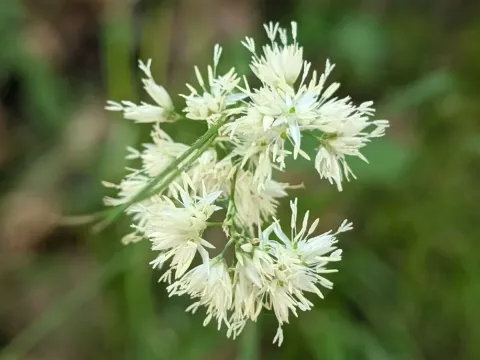
Snow woodrush
Luzula nivea
Snow woodrush (Luzula nivea) is best propagated via seeds or by dividing established clumps. Seeds sown outdoors require a period of cold stratification, making late autumn or early winter the ideal time for sowing.
What the section contains
Snow woodrush
For indoor propagation, seeds should be sown in late winter. They require consistent moisture and cooler temperatures to germinate successfully, often showing staggered emergence over several weeks.
When moving young plants to their permanent location in spring, it is important to space them approximately 30 to 40 centimeters apart to allow for proper airflow and root development.
Division of mature clumps is best performed in early spring or autumn. Each division should possess a strong root mass and several healthy growing points to ensure rapid establishment.
Growth is notably slow during the first year. Gardeners should provide extra care, such as regular weeding and light fertilization, to help the young plants establish their root systems.
Luzula nivea belongs to the Juncaceae family. It is a robust, evergreen perennial known for its distinctive white, snow-like flower clusters that provide long-lasting visual interest.
The plant thrives in partial shade to full shade environments. It is highly valued for its ability to brighten dark woodland settings or shaded garden corners with its foliage and blooms.
Optimal soil conditions include rich, moist, but well-draining substrates. While it tolerates various soil pH levels, it performs best in humus-rich, slightly acidic to neutral garden soil.
Climate-wise, this species is very hardy. It prefers cooler, moist climates and is highly resilient to frost, requiring little protection even during harsh winter months.
Maintenance is minimal once established. Essential tasks include removing dead or damaged leaves in early spring and applying organic mulch to retain soil moisture during the drier summer months.
Snow woodrush is remarkably free of significant pests and diseases. Its tough, grass-like leaves are not highly attractive to most common garden insects, making it a low-maintenance choice.
The primary concern is the risk of crown or root rot, which occurs if the soil remains waterlogged for extended periods. Ensuring good drainage at the time of planting is crucial.
Slugs and snails may occasionally feed on young, succulent foliage during damp, cool springs. Mechanical barriers, such as copper tape or organic baits, are effective deterrents if damage is observed.
While rare, fungal issues like rust or powdery mildew can occur in areas with extremely poor ventilation and excessive humidity. Proper spacing helps maintain good airflow and prevents these conditions.
Overall, because of its natural hardiness, the plant rarely requires chemical intervention, fitting perfectly into integrated pest management and organic gardening practices.