
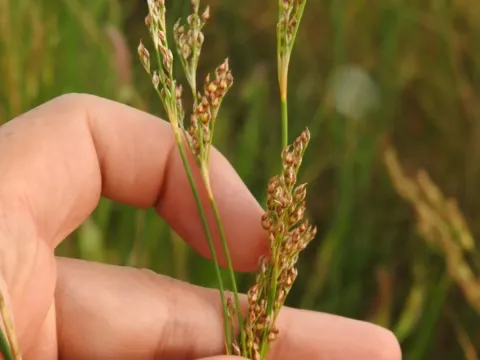
Juncus subulatus
Juncus subulatus
Juncus subulatus, commonly known as a rush species, is a perennial herbaceous plant belonging to the Juncaceae family. It is naturally adapted to moist, often saline environments, which defines its role in specific agricultural and reclamation projects.
What the section contains
Juncus subulatus
The plant demonstrates significant environmental plasticity, particularly in its tolerance to soil salinity. This makes it a valuable candidate for greening and stabilizing land areas that are considered marginal for standard crop production.
Water availability is the most critical requirement for Juncus subulatus. It thrives in soils with high moisture content and shallow water tables. Drought stress is detrimental to its growth, leading to a rapid decline in biomass production.
The ideal climate for this species involves moderate to warm temperatures throughout the growing season. While it is hardy in its native range, consistent thermal support is necessary to achieve maximum physiological activity and development.
From a technical standpoint, the crop is utilized primarily for phytoremediation and environmental restoration. Its dense root system effectively binds loose soil, prevents erosion, and improves the structural stability of land surrounding water bodies.
Juncus subulatus is remarkably robust and faces few significant disease pressures compared to traditional agricultural crops. Its unique physiology allows it to thrive in conditions that would typically be conducive to fungal pathogens in other species.
Potential threats to the crop include root rot pathogens, which may develop if stagnant water becomes anaerobic. Maintaining healthy drainage cycles is the primary preventative measure for ensuring long-term crop vitality.
Insect pests are generally not a major concern for this species. Occasional infestation by specialized phytophagous insects that target stems may occur, but these are rarely severe enough to require large-scale chemical intervention.
Sustainable management practices, such as maintaining appropriate density and removing excessive dead organic matter, help prevent the colonization of the stand by opportunistic pests or pathogens.
Regular field scouting is recommended to ensure that the ecological balance is maintained and that no localized outbreaks occur, keeping the population healthy and functioning in its intended restorative role.