
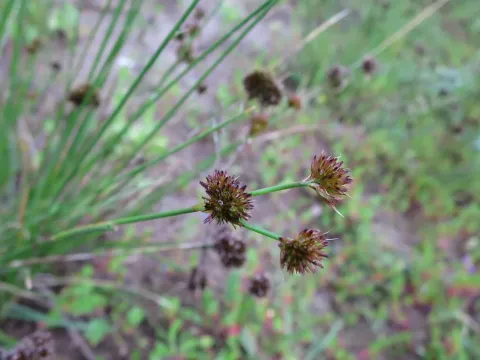
Juncus valvatus
Juncus valvatus
Juncus valvatus is a perennial herbaceous plant belonging to the Juncaceae family. It is a moisture-loving species that naturally thrives in wetland habitats, swampy areas, and along the edges of permanent water bodies.
What the section contains
Juncus valvatus
The plant exhibits a sturdy, erect growth habit with a complex rhizome system adapted to waterlogged environments. This botanical architecture allows it to stabilize soil and survive in conditions where other agricultural crops would fail due to hypoxia.
Regarding soil requirements, this species performs best in acidic or slightly acidic substrates that are rich in organic matter. A steady supply of moisture is essential, as the plant cannot withstand prolonged desiccation of the root zone during its growth phase.
Climatic requirements are centered around stable temperature zones with high humidity. While it is quite adaptable, the species requires ample solar exposure to maintain vigorous growth and produce sufficient biomass for its intended ecological purposes.
The primary agricultural application for Juncus valvatus is phytoremediation, specifically within constructed wetlands and bio-filters. It effectively cleans wastewater by absorbing nitrogen, phosphorus, and heavy metals from the water column.
The most common threats to Juncus valvatus include fungal diseases caused by stagnating water and poor aeration. These pathogens primarily attack the root system, potentially leading to rapid wilting and plant death.
Pests such as specialized beetles or aphids may occasionally colonize the stalks, especially in non-native environments where natural predators are absent. Monitoring the foliage for signs of chlorosis is essential for early detection.
Cultural control methods, such as thinning the population to ensure adequate air circulation, are the most effective way to prevent disease outbreaks in dense plantings.
Weed competition during the establishment phase is a critical challenge, as Juncus valvatus grows relatively slowly in its initial months and can easily be overtaken by faster-growing invasive aquatic weeds.
Strict management of water quality and the prevention of nutrient overloading are necessary steps to keep the plant population healthy and resistant to physiological stressors.