
Juncus subsecundus
Juncus subsecundus
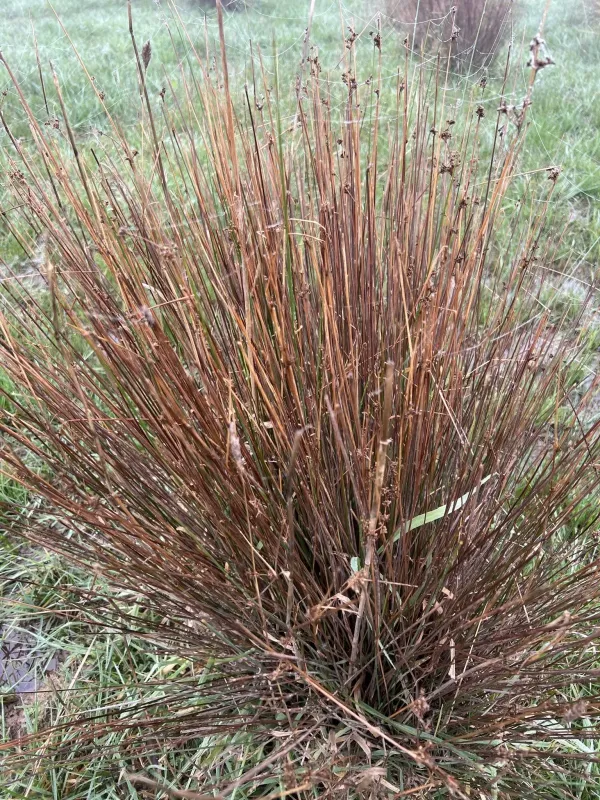
Description
Growing requirements
Juncus subsecundus is a hardy perennial herbaceous plant belonging to the Juncaceae family. It is native to Australia, where it thrives in varied wetland environments, demonstrating significant evolutionary adaptation to seasonal fluctuations in water availability.
Botanically, this species is defined by its densely tufted growth habit and rigid, cylindrical, dark green stems. The foliage is evergreen in many climates, making it a reliable structural element in garden designs throughout the year, regardless of the season.
The cultivation requirements focus on soil moisture. While it prefers moist to waterlogged conditions, it is surprisingly tolerant of drier periods once established. Planting in sunny to partially shaded locations ensures the best development of the plant's characteristic rigid form.
Regarding soil preferences, it favors acidic to neutral sandy or loamy soils. It does not require intensive fertilization, making it a low-maintenance choice for sustainable landscaping and environmental restoration projects where inputs must be minimized.
Its primary use is in landscape architecture for water features, rain gardens, and bio-retention basins. Due to its extensive and robust root system, it is frequently utilized for soil stabilization along riparian buffers to prevent bank erosion and improve water quality.
Main diseases and pests
The plant is generally resistant to most common pests, but it can occasionally be affected by aphids during the rapid growth phase. Monitoring the stems in early spring is an effective practice to detect and control early-stage infestations.
Fungal leaf spot diseases may appear if the plants are situated in areas with stagnant, humid air. Proper spacing during planting is the best cultural control method to ensure sufficient air circulation around the clumps and to reduce the risk of foliage disease.
Root pathogens are a concern if the soil is not sufficiently aerated. While the plant loves water, it requires oxygen for healthy root function; thus, avoiding anaerobic conditions in the soil medium is essential for preventing root decay.
Competition from aggressive invasive weeds can suppress the development of young plants. Mulching around the base of the plant during the first year of establishment helps to minimize competition and conserve soil moisture for the developing roots.
Herbivory by small mammals or large insects may cause localized damage to the stems. While this rarely kills the plant, it can impact the aesthetic value of the planting, requiring minor trimming to maintain a neat appearance throughout the season.