
Juncus procerus
Juncus procerus
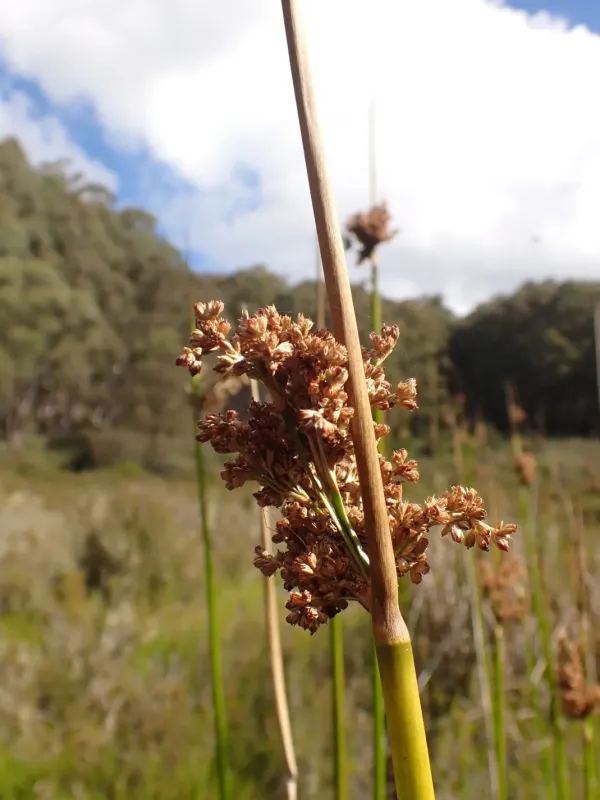
Description
Growing requirements
Juncus procerus is a perennial herb belonging to the Juncaceae family. This species is recognized for its robust, cylindrical stems that provide a vertical structural element in wetland or riparian environments, making it a valuable plant for ecological restoration.
The plant originates from marshy habitats and is well-adapted to high-moisture conditions. It thrives in soils that remain constantly saturated, showing significant resilience to variations in water level provided the roots stay submerged or damp throughout the growing season.
Cultivation of Juncus procerus requires sunny or partially shaded locations. While it is not demanding regarding soil fertility, it prefers nutrient-rich silt or peat-based substrates which allow its rhizomatous root system to spread efficiently and establish a strong hold.
In terms of climate, Juncus procerus is known for its hardiness. It can withstand various temperature fluctuations, though extreme desiccation during dormant periods should be avoided to ensure the plant returns vigorously in the following spring.
Maintenance involves routine management of the water environment. Because it spreads through rhizomes, periodic thinning may be necessary if the planting area is limited, ensuring the plant maintains its desired architectural form without becoming invasive in smaller basins.
Main diseases and pests
Juncus procerus is generally regarded as a low-maintenance plant with few major pest concerns. Its tough, reed-like anatomy is highly resistant to common chewing insects that typically plague more delicate ornamental vegetation in garden settings.
Disease pressure is minimal, provided the water quality is adequate. However, in environments with very low water flow and poor aeration, fungal pathogens may occasionally affect the stem bases. Promoting water circulation is the primary method of disease prevention.
Environmental stress is a more significant threat than biological pests. Specifically, heavy metal accumulation or extreme shifts in pH levels caused by urban runoff can impact the plant's health, leading to stunted growth or chlorosis in severe cases.
Mechanical damage to the stalks can provide an entry point for bacteria, especially in warm, stagnant water conditions. Sanitizing the area by removing debris and ensuring that the water surface is clear of decaying organic matter helps reduce this risk.
Integrated pest management for this species rarely requires chemical intervention. If an infestation occurs, manual removal or the application of organic soap-based sprays is typically sufficient to manage any issues while preserving the surrounding aquatic ecosystem.