
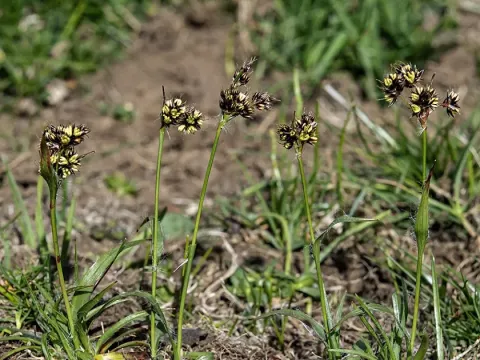
Luzula caespitosa
Luzula caespitosa
Luzula caespitosa is a perennial herbaceous plant belonging to the Juncaceae family. Known for its distinct tufted growth habit, it is often utilized in landscapes for its ability to create dense, weed-suppressing mats in shaded environments.
What the section contains
Luzula caespitosa
The plant originates from mountainous and temperate regions, which dictates its preference for cool climates. It thrives in soils with acidic pH levels and requires consistent moisture without experiencing waterlogging, mirroring its natural high-altitude habitat.
Shade tolerance is a defining feature of this species. In agricultural or ornamental settings, it should be placed in areas that avoid intense, direct afternoon sun, which can scorch its grass-like, ciliate leaves and reduce overall vigor.
Soil management for Luzula caespitosa involves maintaining organic matter content and ensuring proper drainage. While it is relatively hardy, it does not tolerate drought well, so irrigation scheduling should be adjusted during dry seasons to protect the root crown.
Fertilization should be handled with caution, as excessive nitrogen can lead to rapid, weak growth that makes the plant more susceptible to fungal pathogens. A balanced, slow-release fertilizer applied in early spring is usually sufficient to support annual development.
Luzula caespitosa is generally considered a robust plant, but it can be susceptible to specific threats if growing conditions are sub-optimal. The most common issues arise from excessive soil moisture, which creates a breeding ground for root rot pathogens.
- Pythium and Phytophthora species (root rot)
- Rust fungi during high-humidity periods
- Aphids during the spring growth flush
- Slugs and snails affecting foliage
Fungal leaf spots may appear if air circulation is poor, particularly in dense plantings where moisture remains trapped in the foliage. Maintaining adequate spacing between plants is an effective preventive measure against these conditions.
Insects like aphids rarely cause significant damage but can act as vectors for viruses. Regular monitoring during the peak of spring growth is recommended, with horticultural soaps used only if infestation levels exceed acceptable thresholds.
By ensuring that the planting site has excellent drainage and proper aeration, the vast majority of these biological threats can be mitigated without the need for intensive chemical pesticide applications.