
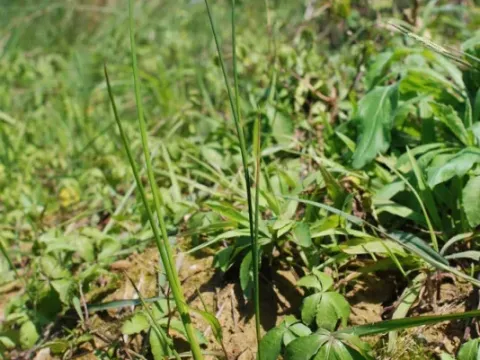
Koidzumi rush
Juncus koidzumii
The Koidzumi rush (Juncus koidzumii) is a perennial herbaceous plant belonging to the Juncaceae family. It is typically found in environments characterized by high soil moisture levels, such as wetlands and pond margins.
What the section contains
Koidzumi rush
Native to East Asia, particularly Japan, this plant has adapted to humid temperate climates. It thrives in locations where groundwater remains close to the surface throughout the entire growing season.
When cultivating this species, it is essential to provide consistently moist soil conditions. The plant performs best in heavy, moisture-retentive soils with slightly acidic to neutral pH levels.
The species prefers full sunlight for optimal growth, although it shows tolerance to partial shade. Exposure to sufficient light helps maintain the plant's structural integrity and dense growth habit.
Botanically, it features cylindrical, upright stems arising from a creeping rhizome system. This architecture allows the plant to form dense colonies that are highly effective at stabilizing wet soil substrates.
The primary use of the Koidzumi rush in agricultural and landscaping contexts is for erosion control and water purification. Its root system helps bind loose sediment, protecting the banks of artificial water features.
Beyond its ecological role, the plant is occasionally used for decorative purposes. Its slender, graceful stems provide a natural, minimalist aesthetic that is popular in modern landscape design projects.
Harvesting for material use typically occurs at the end of the growth cycle when the stalks are mature and durable. Care must be taken to cut the stems cleanly to ensure the rhizome remains healthy for the following year.
Post-harvest management involves air-drying the stems in a cool, ventilated area. Proper drying is crucial to prevent mold and ensure the longevity of the plant material if used for weaving or decorative crafts.
In managed landscapes, regular maintenance is required to prevent the plant from becoming invasive. Thinning the colonies ensures that the rush remains a benefit to the garden rather than an unwanted overgrowth.