
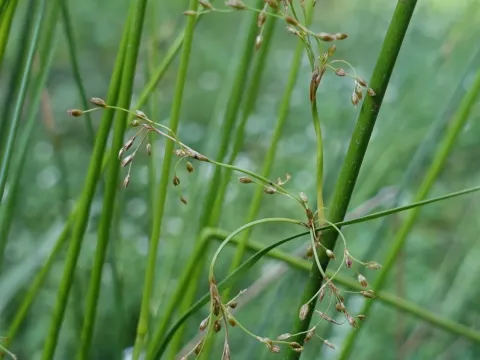
Juncus pauciflorus
Juncus pauciflorus
Juncus pauciflorus, commonly known as the loose-flower rush, belongs to the Juncaceae family. It is a perennial herbaceous plant recognized for its resilience in wetlands and naturally damp environments, making it an excellent candidate for specific ecological restoration projects.
What the section contains
Juncus pauciflorus
The plant demands high light exposure for optimal development. Unlike shade-tolerant forest species, Juncus pauciflorus requires full sun or partial shade to maintain its structural integrity and ensure efficient photosynthetic activity throughout the growth cycle.
In terms of soil requirements, this species thrives in wet, heavy, or peaty soils. It is particularly well-adapted to acidic conditions and can withstand seasonal inundation, which is a key agronomic advantage when managing marginal lands or buffer zones near water bodies.
Climate adaptability is a hallmark of this rush species. It displays significant tolerance to temperate climates, showing good winter hardiness. However, it requires a steady supply of moisture to sustain its succulent stems, especially during the peak of the growing season.
Agronomic management focuses heavily on hydrology control. Unlike traditional crops, Juncus pauciflorus does not require extensive soil cultivation, but it does necessitate monitoring water levels to prevent the substrate from drying out, which can be detrimental to the plant's health.
Disease pressure on Juncus pauciflorus is generally low when the plant is grown in its preferred habitat. The most common issues arise from water stagnation in stagnant, oxygen-depleted zones, which can promote root rot fungi that compromise the plant's stability.
Foliar diseases, such as fungal spotting, may appear if air circulation around the plants is obstructed. These infections often manifest under conditions of high humidity combined with low airflow, leading to premature yellowing or necrosis of the rush stems.
Insect pests are rarely a major concern for established stands. However, generalist soil-dwelling insects might cause minor damage to the root system during the initial establishment phase, necessitating periodic monitoring of the plant density.
Prevention is the primary strategy for health management. By ensuring proper spacing during sowing or transplanting, farmers can enhance airflow and reduce the humidity levels that favor pathogenic fungi, thereby minimizing the need for chemical intervention.
Cultural practices such as removing dead biomass at the end of the season are recommended. This practice not only serves as a hygienic measure to eliminate pathogen overwintering sites but also prepares the field for healthy regrowth in the following spring.