
Juncus requienii
Juncus requienii
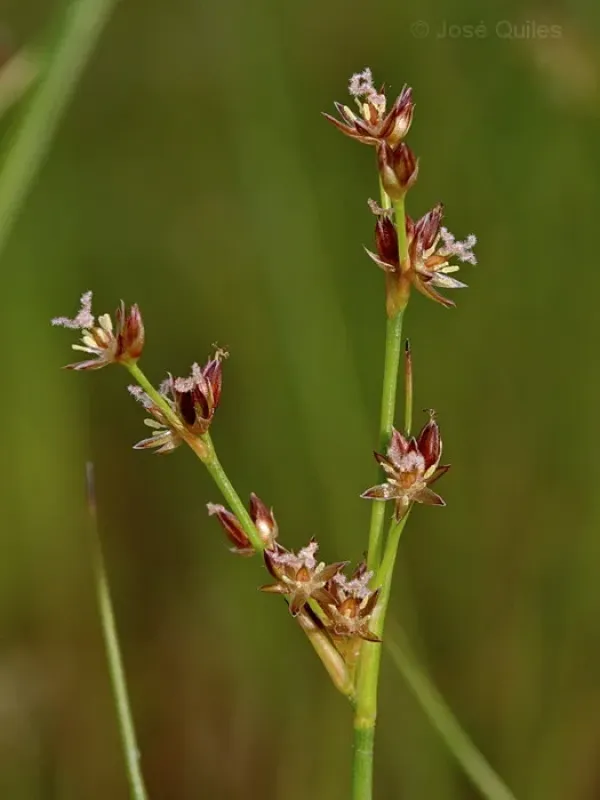
Description
Growing requirements
Juncus requienii is a compact perennial plant belonging to the Juncaceae family. Originating from the Mediterranean region, this species is well-known for its adaptability to wet environments and distinctive growth pattern.
The plant thrives in moist to waterlogged conditions, making it an excellent choice for water gardens, pond margins, or damp border areas. It requires constant moisture, and unlike many other ornamental grasses, it can tolerate being planted in shallow water.
Regarding soil requirements, Juncus requienii prefers acidic to neutral soils that are rich in organic matter. While it is adaptable, it performs best in soils that maintain high water retention capacity. It does not tolerate prolonged drought, which can be fatal to the root system.
The ideal climate for this plant is moderate and mild. It is not highly frost-hardy, so in cooler regions, it should be grown in containers that can be moved indoors for the winter, or it must be heavily mulched to protect the roots from deep freezing.
In terms of agricultural and horticultural use, Juncus requienii is primarily valued for its aesthetic appeal. It provides a unique texture in landscaping, forming dense, dark-green mats that are perfect for softening the edges of hard-scaping or natural water features.
Main diseases and pests
Juncus requienii is generally considered a low-maintenance plant with few major pest or disease problems. However, it can be susceptible to fungal infections if the air circulation is poor or if it is kept in stagnant water conditions for too long without oxygenation.
The most significant threat is moisture deficit. When the soil dries out completely, the plant undergoes severe physiological stress. This not only stunts growth but also makes the plant prone to opportunistic pathogens that target weakened tissues.
In greenhouse settings, pests such as aphids or spider mites can occasionally cause issues. These infestations are typically managed through natural predators or gentle insecticidal soaps, ensuring the ecological balance around the water feature is maintained.
Proper sanitation is essential for managing potential diseases. Removing dead or decaying foliage at the end of the growing season prevents the buildup of fungal spores, ensuring that the next season's growth remains vigorous and healthy.
Overall, by maintaining appropriate soil moisture levels and ensuring the planting site is not overly overcrowded, growers can avoid most health issues. The plant's natural resistance is high, making it a reliable choice for damp areas of the garden.