
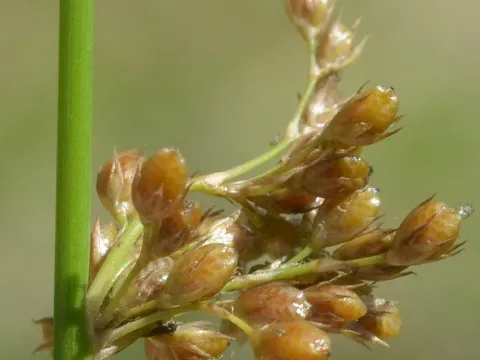
Juncus yocoscensis
Juncus yocoscensis
Juncus yocoscensis is a perennial herbaceous plant belonging to the Juncaceae family. It is typically found in wetland habitats, marshes, and along the banks of water bodies, showing a strong affinity for environments with significant water availability.
What the section contains
Juncus yocoscensis
The plant thrives in moist to waterlogged soil conditions. Agricultural success requires high moisture levels in the substrate, making it an excellent choice for poorly drained areas or zones that remain saturated for long periods during the growing season.
Regarding soil, Juncus yocoscensis prefers fertile, organic-rich soils such as peaty or silty loams. It has a broad tolerance for pH levels, generally performing well in acidic environments, which is common in its natural habitats.
Climate requirements include moderate to high humidity and protection from severe desiccation. While it is a hardy plant in terms of water tolerance, prolonged drought can severely inhibit biomass production and overall plant health.
Effective agronomic management focuses on moisture maintenance. While the plant is resilient, initial establishment benefits from weed control, ensuring that the young rhizomes can develop without competition for sunlight and nutrients.
The primary agricultural use of Juncus yocoscensis is centered on phytoremediation and soil stabilization. Its dense root system serves as an excellent biological anchor for preventing erosion in riparian zones and marshy lands.
Harvesting strategies are usually timed for the end of the vegetative cycle. The stems are typically cut and dried to maintain their structural integrity, which is essential for various industrial or artisanal applications.
The plant is increasingly recognized for its role in water purification systems on farms. By acting as a natural filter, it helps manage water quality in areas where nutrient runoff from agricultural fields is a concern.
Artisanal use remains a secondary but viable sector. The sturdy, flexible stems can be utilized for weaving, matting, or as binding material, reflecting traditional uses of Juncaceae species in rural livelihoods.
Sustainable harvest practices ensure the longevity of the plant beds. By managing the cutting schedule appropriately, farmers can maintain the ecological functionality of the area while obtaining valuable plant material year after year.