
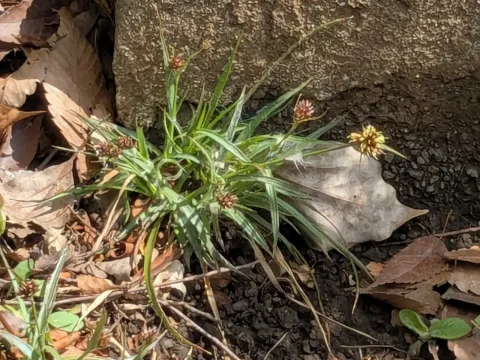
Luzula capitata
Luzula capitata
Luzula capitata, commonly known as head-like woodrush, is a perennial herbaceous plant belonging to the Juncaceae family. It is widely recognized for its compact growth habit and its ability to thrive in shaded environments.
What the section contains
Luzula capitata
Originating from East Asian landscapes, this species is naturally adapted to forest fringes and cool, moist habitats. Its geographical distribution includes Japan, Korea, and parts of China, which defines its preference for temperate climatic conditions.
The plant thrives in acidic to neutral, well-drained soils that retain consistent moisture. While it is adaptable to various soil types, it performs best in organic-rich substrates that mimic the natural woodland floor conditions.
In terms of climate, Luzula capitata is highly resilient. It shows excellent cold hardiness, making it suitable for a wide range of planting zones where it can remain dormant throughout the winter and emerge vigorously in early spring.
Agrotechnical management is relatively simple. The plant requires minimal maintenance beyond ensuring it does not experience prolonged drought. It is an ideal species for low-maintenance landscaping and sustainable greening projects.
Luzula capitata is notably resistant to most common botanical diseases. Most issues reported in professional cultivation are directly related to improper environmental conditions rather than pathogens.
Waterlogging remains the primary threat to the plant's health, as it promotes root rot and fungal colonization of the crown. Proper drainage design is essential when establishing new plantings in heavy soil types.
Pest pressure is generally low. There are no significant insect vectors that specifically target this species to a degree that would require chemical intervention in a standard garden setting.
To ensure long-term vigor, gardeners should avoid overcrowding. Overcrowding can lead to poor air circulation, creating microclimates that may encourage the development of mildews during humid seasons.
Regular monitoring during the spring growth phase helps in identifying any damaged foliage. Removing dead matter keeps the plant aesthetically pleasing and prevents the accumulation of debris that can harbor harmful pathogens.