
Bog rush
Juncus stygius
The bog rush (Juncus stygius) is a perennial herbaceous plant belonging to the Juncaceae family. It is a specialized species native to cold, acidic, and nutrient-poor wetlands, typically found in high-latitude bogs and fens across the Northern Hemisphere, including Eurasia and North America.
What the section contains
Bog rush
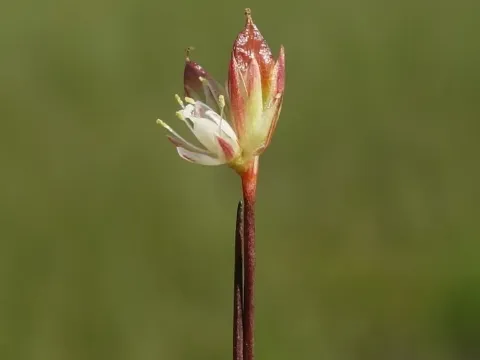
Botanically, the plant is characterized by its slender, erect stems ranging from 5 to 20 centimeters in height. The leaves are cylindrical and mostly basal, while the inflorescence is formed by a few clusters of flowers at the top of the stem. Due to its size and delicate structure, it remains a subtle component of the wetland flora.
The environmental requirements for Juncus stygius are strict, as it thrives only in ecosystems with permanent high water levels and stable hydrological conditions. It is not tolerant of desiccation or sudden drainage of its habitat, which makes it highly vulnerable to climate change and peatland exploitation.
Regarding soil conditions, this plant is an obligate wetland species that prefers acidic substrates, particularly those dominated by Sphagnum moss. It is highly adapted to nutrient-poor (oligotrophic) environments where competition from larger, faster-growing grasses and sedges is minimal.
From an agronomic and economic perspective, this species is not used as a cultivated crop. Its primary value is ecological, acting as a bioindicator of healthy, pristine peatland ecosystems. It is protected in many jurisdictions due to its decreasing population and the shrinking of its natural wetland habitats.