
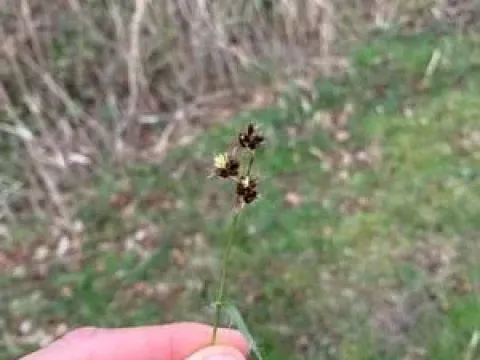
Alpine wood-rush
Luzula alpinopilosa
Alpine wood-rush (Luzula alpinopilosa) is a perennial herbaceous plant belonging to the Juncaceae (rush) family. It is native to high-altitude regions of Europe, where it thrives in cool, alpine meadow environments.
What the section contains
Alpine wood-rush
The plant exhibits high cold tolerance and is adapted to survive in harsh mountain climates. Cultivation requirements include well-draining, moderately moist soil with a slightly acidic profile, which mimics its natural habitat conditions found in high mountain slopes.
Botanically, Luzula alpinopilosa is distinguished by its narrow, linear leaves that feature fine, sparse hairs along the edges. The inflorescences consist of compact clusters or panicles atop slender stalks, providing a unique aesthetic in naturalistic or rock garden settings.
In agricultural and landscaping contexts, the plant is valued for its versatility in both sunny and partial shade environments. Success in growing this species depends on preventing waterlogged conditions, which can lead to root degradation, especially when combined with freezing temperatures.
The primary use of Alpine wood-rush is in the development of low-maintenance landscaping for alpine-themed gardens and cold-climate urban greening. Its ability to form dense, resilient clumps makes it an excellent choice for groundcover in regions where traditional lawn grasses may struggle.
This species is generally robust and resistant to most common agricultural diseases. However, improper site management leading to poor air circulation and excessive moisture can occasionally foster outbreaks of powdery mildew or leaf rust.
Root rot is the most significant threat, particularly in poorly drained soils or during exceptionally wet seasons. Proper soil preparation and the implementation of effective drainage are the primary preventative measures against these issues.
Pest pressures are generally low; however, occasional infestations of leaf-eating insects can occur. Regular field monitoring is essential to ensure that such occurrences do not escalate beyond a minor cosmetic issue for the ornamental planting.
Maintaining balanced soil fertility without excessive nitrogen application is crucial, as over-fertilization can promote succulent growth that is more susceptible to both pests and fungal diseases during the winter hardening process.
Integrated pest management, focusing on cultural practices such as thinning overcrowded clumps and ensuring a clean growing site, is the most effective approach for sustaining healthy Alpine wood-rush populations over the long term.