
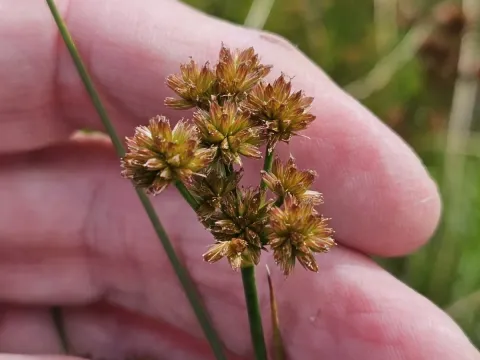
Canadian rush
Juncus canadensis
Canadian rush (Juncus canadensis) is a perennial herbaceous plant belonging to the Juncaceae family. It is typically found in wetlands, swamps, and along the shores of freshwater bodies throughout North America.
What the section contains
Canadian rush
The plant thrives in acidic, saturated, and peaty soils. Its natural adaptation allows it to survive in environments where most agricultural crops would perish due to root asphyxiation, making it a valuable species for ecological engineering.
Botanically, the plant is characterized by tufted stems and slender, tubular leaves. This structure is highly efficient for gas exchange in aquatic habitats, allowing the plant to maintain growth in water-logged conditions.
Regarding cultivation requirements, Canadian rush needs consistent moisture. It is a low-maintenance species that does not require supplemental irrigation or fertilization in its natural habitat, as it actively participates in the nutrient cycling of the wetland.
Host-plant utility is centered on phytoremediation and soil stabilization. By creating dense root mats, the Canadian rush prevents bank erosion and filters water, absorbing excess nitrogen and phosphorus from the surrounding environment.
Canadian rush is generally resistant to standard agricultural pests. However, overcrowding in nurseries can lead to issues with airflow, creating a microclimate favorable for fungal pathogen development.
Leaf rust and various species of fungal leaf spots are the most common pathological threats to the plant. These infections are usually triggered by stagnant air and prolonged high humidity during the peak of summer.
Invasive weed species can outcompete the rush during the establishment phase. Proper site preparation and controlling competing vegetation in the first year are crucial for the long-term success of the planting.
Mammalian herbivores, such as muskrats or beavers in native habitats, may consume or uproot the plants. Protecting young stands from local wildlife is recommended in restoration projects.
Sudden changes in hydrology, such as drainage or extreme drought, are the primary physiological threats to the species. Maintaining the water table is the most effective prevention against decline.