
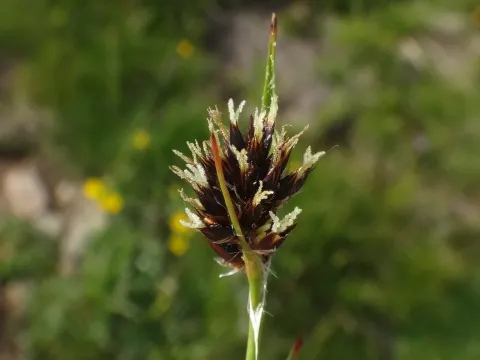
Alpine wood-rush
Luzula alpina
Alpine wood-rush, scientifically known as Luzula alpina, is a perennial herb belonging to the Juncaceae family. In agricultural and horticultural practices, the cultivation begins with high-quality seeds that require a period of cold stratification to break dormancy and ensure uniform germination.
What the section contains
Alpine wood-rush
Sowing should be performed in late autumn or early spring using a well-draining, moist substrate. The seeds are very small, so they should be surface-sown and only lightly pressed into the soil to ensure proper contact while allowing enough light exposure for successful emergence.
Seedling development is typically slow, requiring patience and stable environmental conditions. Maintaining consistent soil moisture is critical during the first few weeks; however, it is essential to prevent waterlogging, which can lead to damping-off disease in young seedlings.
Once the seedlings reach a transplantable size, they can be moved to larger containers or directly into the landscape. Providing adequate spacing is important to ensure that each plant has enough room for healthy root development and air circulation as it matures into a full clump.
Vegetative propagation is also a common method for increasing plant populations. Dividing mature clumps in the spring allows gardeners to establish new plants quickly. This method preserves the genetic characteristics of the parent plant and ensures a more rapid transition to maturity.
The plant originates from mountainous and high-altitude habitats, which defines its preference for cool, humid climates. It thrives in semi-shaded locations where it is protected from intense, direct sunlight that could cause foliage scorch and reduce the plant's overall aesthetic appeal.
Soil structure is a vital factor for the health of Alpine wood-rush. It prefers slightly acidic, well-draining soils rich in organic matter. Adding sand or grit to heavier soil types is recommended to improve aeration and prevent the root rot that frequently occurs in stagnant, waterlogged environments.
Alpine wood-rush is highly cold-hardy, making it suitable for gardens in northern regions or areas with severe winter conditions. Its adaptation to alpine climates allows it to withstand significant frost and snow cover, making it a reliable perennial for cold-climate landscaping.
Regular but moderate watering is necessary throughout the growing season to keep the soil consistently moist. While the plant possesses some tolerance to brief dry spells, prolonged drought can cause the leaves to brown and become brittle, significantly impacting its ornamental value.
Minimal fertilizing is usually sufficient for this species. A light application of balanced organic fertilizer in early spring can boost vegetative growth. Over-fertilizing, particularly with nitrogen, should be avoided as it may lead to weak, succulent growth that is more susceptible to disease.
Like many species in the Juncaceae family, Alpine wood-rush is generally robust but can suffer from issues related to poor site conditions. High humidity coupled with insufficient air movement is the primary cause of fungal infections, such as leaf spot and various crown rots.
Maintaining proper spacing and ensuring adequate airflow are the best preventative measures against fungal diseases. If infection occurs, removing damaged foliage and applying appropriate organic fungicides can help control the spread and restore the plant to health.
Slugs and snails are the most common pests, particularly in wet years. These mollusks can rapidly defoliate younger plants. Implementing physical barriers, such as copper tape or crushed gravel, or using eco-friendly bait can effectively manage these populations without harming beneficial insects.
In hot and dry spells, aphids may target the succulent new growth of the plant. Regular monitoring of the underside of leaves allows for early detection of infestations. In most cases, a strong jet of water or a mild insecticidal soap application is sufficient to address these pests.
Sanitation is a key component of an effective integrated pest management strategy. Regularly cleaning up debris around the base of the plants reduces the overwintering sites for pests and pathogens, contributing to the long-term vigor and health of the Alpine wood-rush population.