
Black-headed rush
Juncus atratus
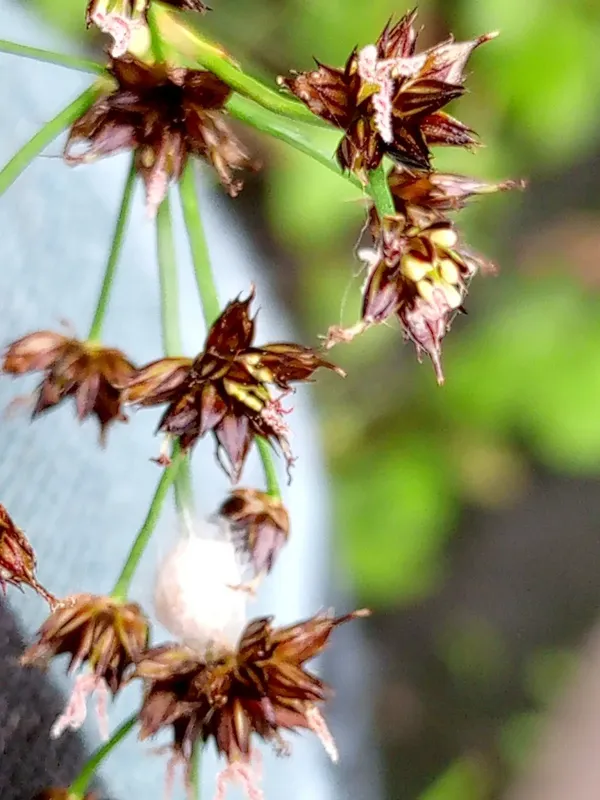
Description
Growing requirements
The Black-headed rush (Juncus atratus) is a perennial herbaceous plant belonging to the Juncaceae family. It is typically found in wetland habitats, wet meadows, and riverbank ecosystems across temperate Eurasia, where it plays a key role in soil stabilization.
This species is strictly hygrophilous, meaning it thrives in environments with high water availability. The plant shows a remarkable tolerance to saturated soils and periodic flooding, which would be detrimental to most traditional agricultural crops.
Cultivation requirements involve nutrient-rich, moist substrates such as peat or silt-heavy soils. The plant is well-adapted to slightly acidic pH levels commonly found in riparian zones, which support its robust growth and rapid expansion through rhizome development.
Regarding climate, the Black-headed rush is highly resilient to cold winters and fluctuations in water levels. It is a light-demanding plant but can sustain growth in semi-shaded conditions typical of complex wetland plant communities.
In terms of agricultural management, this plant does not require high-input fertilizers or intensive tillage. Its primary function is ecological management, serving as a buffer crop that prevents erosion and maintains the hydrological balance of agricultural lowlands.
Harvesting
The economic value of Juncus atratus primarily relates to the harvesting of its biomass for forage supplements or land mulching purposes. It provides a reliable source of organic material from areas that are otherwise difficult to cultivate.
Harvesting is typically carried out during the flowering peak to ensure the highest quality of the vegetation. Careful planning is required to avoid damaging the underlying soil structure, especially in areas with high water tables where heavy machinery may cause sinking.
Post-harvest processing focuses on rapid drying to minimize the risks of fungal growth and spoilage. Once dried properly, the plant matter can be compressed into bales for easy transport and storage within a farm setting.
Farmers often use this crop as a secondary forage source for livestock during seasons when upland pastures are depleted. While the nutritional value is lower than that of grasses, it serves as a functional roughage component in animal diets.
Advanced agricultural practices include exploring the potential of this biomass in bioenergy applications. As a renewable resource from wetland areas, it contributes to sustainable land-use strategies on marginal farms.