
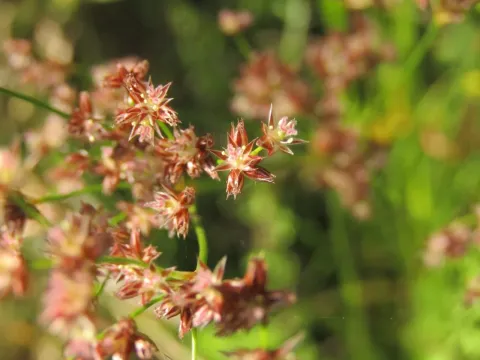
Juncus microcephalus
Juncus microcephalus
Juncus microcephalus, commonly known as the small-headed rush, is a perennial herbaceous plant belonging to the Juncaceae family. It is typically found in moist or waterlogged environments, including riparian zones, marshes, and damp meadows.
What the section contains
Juncus microcephalus
The plant features a robust root system, making it an excellent candidate for soil stabilization and erosion control. Its ability to thrive in saturated soils provides a unique advantage in agricultural areas where waterlogging limits the growth of traditional crops.
The primary growth requirement for Juncus microcephalus is a high level of soil and atmospheric moisture. It does not tolerate prolonged drought conditions, so optimal cultivation sites include low-lying areas with a shallow groundwater table.
Light requirements are also significant; the plant thrives in full sun. While it can survive in partial shade, optimal biomass production and development occur under open sky conditions, allowing for maximum photosynthetic activity.
The species is adaptable to various soil types, preferring loamy or peaty soils with a neutral to slightly acidic pH. Its ability to withstand periodic flooding is a defining botanical characteristic that makes it suitable for wetland restoration projects.
Juncus microcephalus exhibits high natural resilience against most fungal diseases that typically affect meadow grasses. Its structural composition and physiological adaptations help it withstand pathogen pressure under humid conditions.
Pests generally do not pose a significant economic threat to this crop. While some herbivorous insects may occasionally feed on the foliage, population levels rarely reach thresholds that would justify intensive pest control interventions.
Most phytosanitary issues are related to improper environmental conditions rather than infectious agents. A significant drop in soil moisture can weaken the plants, making them more susceptible to secondary stressors.
Weed management is mainly a concern during the seedling establishment phase. Once established, the dense clumps of the small-headed rush effectively outcompete most invasive weeds, reducing the need for mechanical weeding.
Maintaining a balanced ecosystem through proper hydration is the best practice for disease prevention. Over-fertilization should be avoided to prevent structural weakness and unnecessary attraction of opportunistic insect populations.