
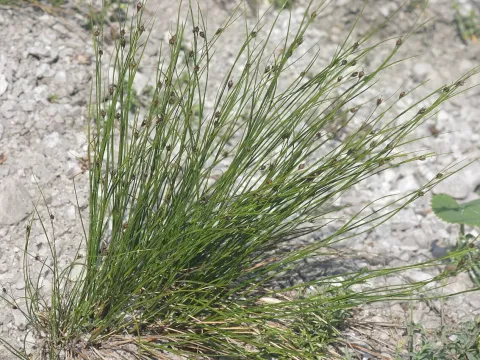
Juncus monanthos
Juncus monanthos
Juncus monanthos, known as the single-flowered rush, is a perennial herbaceous plant belonging to the Juncaceae family. It is a specialized botanical species well-adapted to high-altitude wetland habitats.
What the section contains
Juncus monanthos
The native range of this plant is primarily found in alpine regions, where it colonizes moist ground near springs and cold streams. It prefers environments where water saturation is consistent throughout the year.
The soil requirements are strict: it thrives in acidic, organic-rich substrates. Proper moisture retention capacity of the soil is essential, as the plant lacks drought-tolerance mechanisms common in dryland vegetation.
Regarding climate, Juncus monanthos is highly resilient to cold temperatures and frost. It requires a cool, humid climate to complete its reproductive cycle, which is characteristic of high-elevation mountainous environments.
In terms of agricultural or conservation use, the plant serves as a vital component for soil stabilization. Its dense root network effectively prevents erosion in waterlogged areas and supports local biodiversity by creating micro-habitats.
The main threats to populations of Juncus monanthos are habitat loss due to drainage, land development, and hydrological modification. When the water table drops, the species quickly loses ground to competitive grasses.
Pathological threats include various fungal infections, such as rusts and leaf spots, which proliferate in stagnant, overly humid conditions with poor aeration. These infections can significantly reduce the vitality of the plant.
Insect pests often include small herbivores and sap-sucking insects that target the tender stems during the growing season. While infestation levels are typically low, they can exacerbate stress under adverse environmental conditions.
Disease management in controlled environments focuses on maintaining adequate water flow and air circulation. Avoiding water stagnation is critical to prevent root rot and other soil-borne diseases that affect the Juncaceae family.
Climate change poses a long-term risk, as altered precipitation patterns may disrupt the niche environments required for its survival. Regular monitoring of the moisture balance is essential for maintaining healthy populations.