
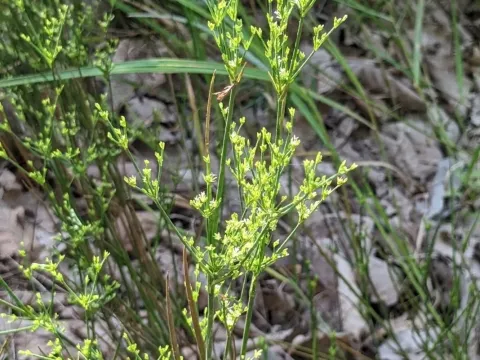
Juncus papillosus
Juncus papillosus
Juncus papillosus is a perennial herb belonging to the Juncaceae family. It is typically found in humid environments such as marshes, wet meadows, and the edges of bodies of water, showing a strong affinity for moist conditions.
What the section contains
Juncus papillosus
Agricultural management of this crop requires consistently moist soil throughout the growing season. While it thrives in wet conditions, proper site selection should ensure that the soil has enough drainage to prevent water stagnation that could rot the roots.
The plant demonstrates significant resilience in temperate climates, showing good winter hardiness. However, it is sensitive to prolonged dry spells, which necessitate supplemental irrigation to maintain the plant's structural integrity and growth rate.
Regarding soil preferences, Juncus papillosus thrives in nutrient-rich substrates with a neutral or slightly acidic pH level. Adding organic compost to the soil profile can significantly enhance plant vigor and promote healthy foliage development.
Originating from East Asian regions, the plant is characterized by its stiff, vertical stems and distinct inflorescence clusters. Its morphology allows it to adapt to various ecological niches, making it a versatile species for managed wet landscapes.
The main threats to Juncus papillosus include fungal pathogens, particularly in dense stands where air circulation is limited. High humidity levels combined with poor ventilation often trigger the onset of various leaf spot diseases.
Pest issues usually involve insects common to wetland ecosystems, including beetles that feed on succulent tissue. Integrated pest management, focusing on biological controls, is preferred to maintain the ecological balance of the site.
Proper density management is crucial for disease prevention. Maintaining sufficient space between plants ensures that foliage dries quickly after rainfall, which is a major factor in suppressing fungal growth.
Sanitation practices such as clearing debris from the plot during the dormant season significantly reduce the risk of overwintering pathogens. Keeping the growing area clean is a fundamental preventive measure.
Periodic scouting of the plantation allows for the early detection of pests or symptoms of decay, enabling targeted interventions before the infection spreads across the entire crop area.