
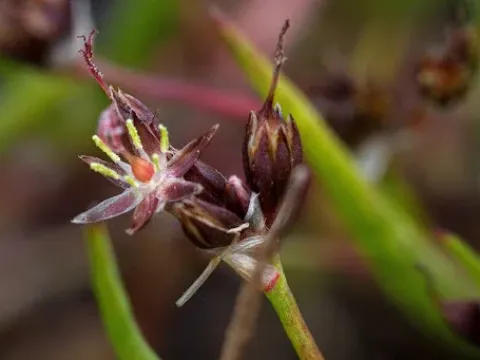
Juncus heterophyllus
Juncus heterophyllus
Juncus heterophyllus belongs to the Juncaceae family. Native to South America, specifically in regions like Brazil and Argentina, it is a perennial species adapted to life in marshy and aquatic environments.
What the section contains
Juncus heterophyllus
The plant is known for its distinct botanical feature: heterophylly, where different types of leaves grow on the same individual. This adaptation allows the species to thrive in varying water levels.
Growing requirements are centered on constant moisture. The species performs best in hydric soils where the root system remains submerged or waterlogged. It cannot withstand prolonged dry periods.
For optimal growth, the species prefers acidic to neutral pH levels in the soil. It flourishes in full sunlight, which is necessary for the development of its dense, grassy foliage that characterizes the plant.
Soil composition should include a high percentage of organic matter. A mixture of peat and sand is often recommended to maintain the right balance of nutrient availability and root aeration.
Juncus heterophyllus is primarily used in water gardening and landscaping for its aesthetic appeal. It serves as an excellent plant for the marginal zones of ponds and artificial water features.
Harvesting for propagation involves dividing the rhizomes during the dormant season. This method is the most efficient way to maintain a consistent density within the cultivation area.
Routine maintenance includes thinning out overgrown patches to prevent the accumulation of dead organic matter, which can negatively affect water quality in the immediate vicinity of the plants.
If cultivated for botanical study or educational purposes, samples should be carefully extracted with a portion of the root mass intact to ensure survival during the transplanting process.
Post-harvest management involves keeping the material in a cool, shaded, and high-humidity environment. This prevents desiccation, as the plant tissues are structurally dependent on a high internal water content.