
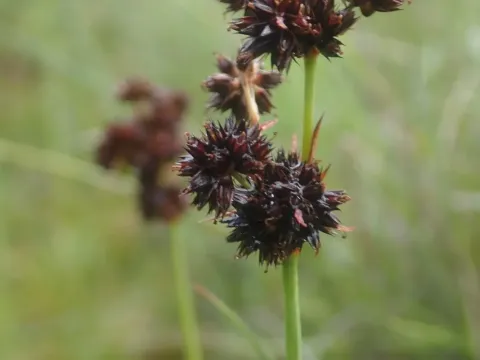
Juncus lomatophyllus
Juncus lomatophyllus
Juncus lomatophyllus, belonging to the Juncaceae family, is a perennial herbaceous plant well-adapted to high-moisture environments. It is recognized for its significant role in wetland ecosystems and its potential for specialized agricultural use.
What the section contains
Juncus lomatophyllus
The plant thrives in areas with consistent soil moisture, typically found in river floodplains and swampy regions. Its natural habitat is characterized by acidic or neutral soil conditions, which the species utilizes to develop a dense, rhizomatous root system.
To cultivate this species effectively, a site with a high water table is essential. Juncus lomatophyllus prefers open spaces with abundant sunlight, though it exhibits high tolerance to variations in water depth throughout the growing season.
Agronomic management of this crop is relatively low-input. Because it has adapted to environments where competition is limited by water saturation, the plant manages to establish itself firmly without requiring aggressive soil cultivation or frequent irrigation.
Biological resilience is a key feature of this species. Its ability to withstand seasonal inundation makes it an ideal candidate for land management in territories that remain too wet for traditional commodity crops, providing stable coverage and soil structure.
The primary agricultural application for Juncus lomatophyllus involves soil stabilization and erosion control. Its expansive root structure effectively binds sediment, preventing the degradation of riparian zones and irrigation channels.
Beyond soil management, the species is increasingly utilized in phytoremediation projects. It acts as a bio-filter, absorbing excess nitrates and phosphates from runoff water, thus improving the overall water quality in agricultural landscapes.
Harvesting the biomass is generally performed at the end of the vegetative cycle. Specialized equipment is required to operate on the soft, wet ground typical of the harvest area to ensure minimal damage to the rhizome network.
The harvested plant material can be processed for various secondary uses, including organic mulching or as a source of fibrous material for industrial purposes. Its structural properties make it durable and suitable for composting applications.
Sustainable production of Juncus lomatophyllus involves ensuring that harvest intervals allow for regrowth from the existing root system. Proper management of the hydro-regime after harvest is crucial to maintain the productivity of the site for future seasons.