
Juncus gregiflorus
Juncus gregiflorus
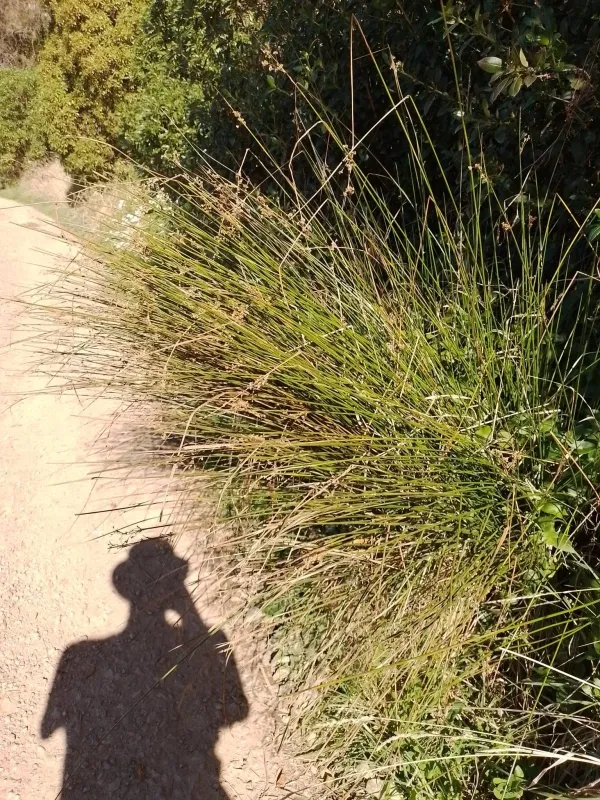
Description
Growing requirements
Juncus gregiflorus belongs to the Juncaceae family, a group of monocotyledonous perennial plants known for their cylindrical stems and tolerance to waterlogged habitats.
Native to New Zealand, this species is widely recognized for its adaptability to diverse aquatic environments. It thrives in natural marshes, riparian zones, and water treatment systems where water levels remain high.
The plant requires very specific soil conditions, favoring wet, nutrient-rich substrates. It is particularly effective when grown in heavy clay or silty soils that retain moisture throughout the entire growing season.
Full sun is essential for Juncus gregiflorus to maintain its rigid, upright growth habit. While it can tolerate partial shade, insufficient sunlight often leads to weaker, floppy stems and reduced vigor.
In terms of agricultural and ecological use, this species is increasingly utilized in sustainable landscaping and water management. It plays a crucial role in preventing soil erosion along embankments.
Main diseases and pests
Juncus gregiflorus is a resilient species with few natural pests. Most threats are environmental rather than biological, stemming from imbalances in its delicate wetland ecosystem.
Spider mites represent a common issue during periods of extreme heat and humidity fluctuations. These pests exploit the plant's stress during dry spells, which are unnatural for this species.
Fungal leaf spot diseases may appear if the air circulation around the plants is obstructed. Proper spacing and maintenance of the surrounding vegetation help mitigate these risks significantly.
Root rot is rarely an issue unless the stagnant water becomes anaerobic and contaminated. Maintaining clean water circulation is the primary prevention strategy for preserving root health.
Slugs and snails may browse on new green shoots during the early stages of development. Hand-picking or setting natural barriers is usually sufficient to manage these occasional invaders.