
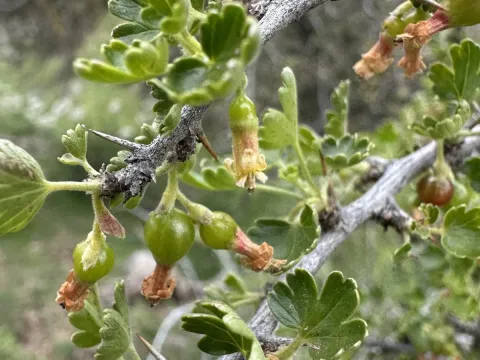
Oakleaf currant
Ribes quercetorum
The oakleaf currant (Ribes quercetorum) belongs to the Grossulariaceae family and is native to the woodlands and chaparral regions of California. It is a deciduous shrub characterized by its unique, deeply lobed leaves that resemble those of an oak tree, distinguishing it from other currant species.
What the section contains
Oakleaf currant
This species thrives in semi-shaded environments, often found in canyons and foothills where it benefits from protection against direct, harsh sunlight. Its natural habitat suggests a preference for regions with distinct wet and dry cycles, making it somewhat drought-tolerant once established.
Cultivation requirements involve well-draining, nutrient-rich soils that maintain moisture without becoming waterlogged. While it is adaptable, the plant performs best when planted in soil with a neutral to slightly acidic pH level, supplemented with organic compost.
Maintenance tasks include regular pruning, which is essential to encourage new growth and maintain the shrub's aesthetic, oak-like structure. It is recommended to prune in late winter or early spring before the buds begin to swell.
Water management is crucial during the first year of establishment. Afterward, the plant requires only occasional deep watering, especially during prolonged summer heat, to sustain its vigor and foliage health.
The primary diseases affecting Ribes quercetorum include various fungal infections, particularly powdery mildew, which can thrive in humid or stagnant air conditions. Proper spacing is necessary to ensure good ventilation within the shrub canopy.
Insect pests such as aphids and spider mites are common threats that can affect the plant's health by sapping its vigor. Regular inspection of the foliage is recommended to catch infestations early and prevent significant damage.
Root rot is a major risk if the soil lacks sufficient drainage. Providing a loose, aerated growing medium is the best preventative measure against soil-borne pathogens that compromise the plant's root system.
Sanitation practices, such as removing dead leaves and debris from the base of the plant during the fall, help to reduce the population of overwintering pests and disease spores. This simple step is vital for the long-term health of the shrub.
If chemical interventions are necessary, they should be applied judiciously, favoring biological agents to minimize impact on beneficial garden insects. Monitoring is always more effective than reactive pest management.