
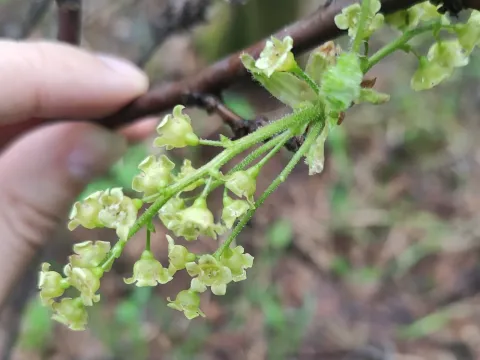
Northern currant
Ribes spicatum
Northern currant (Ribes spicatum) is a member of the Grossulariaceae family. This hardy perennial shrub is native to the northern regions of Eurasia, where it typically grows in damp forests, riverbanks, and shaded alpine slopes.
What the section contains
Northern currant
The plant thrives in moist, fertile, and well-drained loamy soils. While it appreciates high moisture levels, it is susceptible to root rot if water stagnates, making proper site selection and soil drainage essential for commercial or garden cultivation.
It is remarkably tolerant to cold temperatures and frost, making it well-suited for northern climates. In cultivation, it prefers partial shade, especially in areas with intense summer heat, as direct sunlight can cause leaf scorching and moisture stress.
Cultural practices should emphasize consistent mulching to retain soil moisture and regulate temperature. Organic fertilizers, such as well-rotted compost, are recommended in early spring to support vigorous vegetative growth throughout the season.
Maintenance pruning is vital for plant longevity and fruit production. Growers should focus on removing old, non-productive wood to stimulate new shoot growth, which ensures better sunlight penetration and air circulation throughout the canopy.
The main fungal threats to Northern currant include powdery mildew and leaf spot. Effective management relies on maintaining proper plant spacing to facilitate airflow and applying copper-based fungicides when weather conditions favor disease spread.
Pests such as aphids and currant mites can significantly reduce plant vigor. Integrated pest management strategies, including the use of neem oil or targeted biological controls, are highly recommended to keep populations under economic thresholds.