
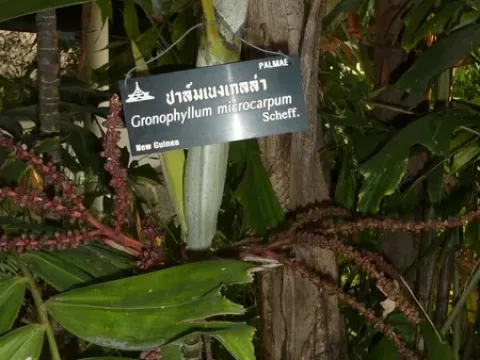
Gronophyllum
Gronophyllum
Gronophyllum is a genus of flowering plants in the Arecaceae family, consisting of various species of slender, feather-leaved palms native to the rainforests of the South Pacific and Northern Australia.
What the section contains
Gronophyllum
These plants are strictly tropical and require a consistently warm environment, with ideal daytime temperatures ranging between 24°C and 30°C for optimal photosynthetic activity.
For cultivation success, the soil must be rich in organic matter and provide excellent drainage to prevent the root system from becoming waterlogged, which is a common cause of failure in palm cultivation.
Gronophyllum species prefer bright, filtered light and are prone to leaf scorching if exposed to intense, direct tropical sunlight for extended periods during the day.
High humidity is essential for the healthy development of this palm, often necessitating the use of specialized misting systems or greenhouse humidifiers to replicate their native forest floor conditions.
Root rot is the most significant threat to Gronophyllum, typically triggered by poor soil aeration and water stagnant conditions during the dormant growth phase.
Spider mites pose a persistent problem in controlled environments, especially when indoor air circulation is insufficient and the humidity levels drop significantly.
Mealybugs are known to colonize the underside of leaflets and the crown of the plant, drawing nutrients and causing chlorosis in developing fronds.
Fungal leaf spot diseases can emerge if water remains on the foliage for prolonged periods, highlighting the need for efficient ventilation within the greenhouse.
Effective management strategies include the use of preventive bio-fungicides and integrated pest management (IPM) to maintain the aesthetic integrity of the palms.