
Guarani sage
Salvia caerulea
Description
Growing requirements
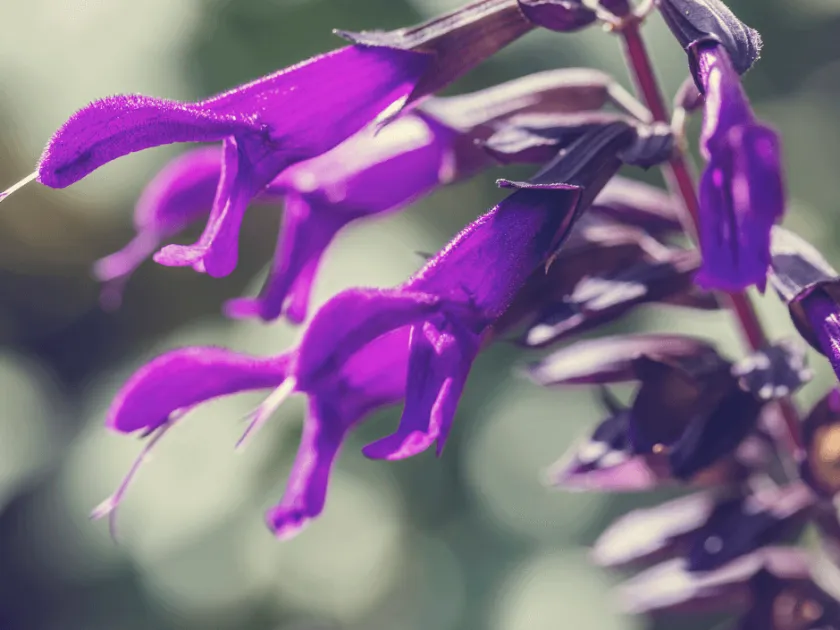
Guarani sage (Salvia guaranitica) is a herbaceous perennial in the Lamiaceae family. Native to South America, specifically Brazil, Paraguay, and Argentina, it is highly valued for its striking blue flowers.
The plant thrives in full sun to partial shade. In areas with frost, it requires protection or must be treated as an annual, as it is generally hardy only to USDA zones 7 or 8.
Soil requirements involve well-drained, nutrient-rich, and slightly moist conditions. It performs poorly in heavy clay if the soil is not amended to improve drainage.
Growth management includes pruning stems back in late winter to encourage vigorous new growth in the spring. Consistent moisture during the blooming season is critical for flower production.
This species is widely used in ornamental gardening and as a nectar source for hummingbirds and various pollinating insects, making it a popular choice for wildlife-friendly gardens.
Main diseases and pests
Slugs and snails are the primary pests that damage fresh foliage early in the growing season, especially in humid and cool environments.
Aphids can infest the plant tips during hot, dry spells, often requiring horticultural soap or neem oil for organic control measures.
Powdery mildew is a common fungal threat that appears as a white dusting on leaves, usually caused by lack of air circulation around the plants.
Root rot occurs if the plant is grown in waterlogged soil, as the roots are sensitive to poor aeration and standing water.
Rust fungi can occasionally affect the leaves, appearing as small orange spots, which necessitates removing infected foliage and applying preventative fungicides.