
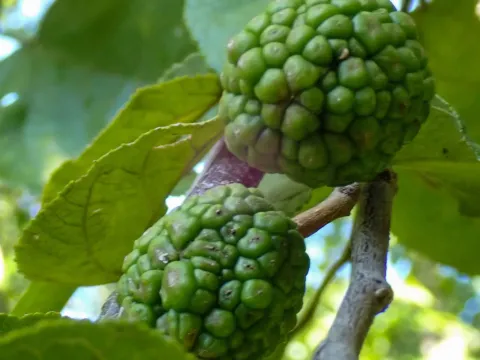
Guazuma tomentosa
Guazuma tomentosa
Guazuma tomentosa is primarily propagated through seeds, which exhibit high viability when harvested from fully mature, healthy fruit specimens.
What the section contains
Guazuma tomentosa
Seed treatment, such as mechanical scarification or immersion in hot water, is highly recommended to break dormancy and ensure uniform germination rates.
Sowing should be performed in well-drained nursery beds at the beginning of the rainy season to provide the necessary moisture for early root development.
Vegetative propagation via stem cuttings is also a viable method, offering a way to maintain the desirable traits of high-yielding mother plants.
Seedlings are typically ready for transplanting to the field once they reach a height of approximately 30 to 50 centimeters, ensuring better survival rates.
Belonging to the Malvaceae family, Guazuma tomentosa is a fast-growing woody species well-adapted to tropical and subtropical climatic zones.
The tree requires full sunlight to achieve its maximum growth rate, though it demonstrates remarkable resilience to semi-shaded environments in early stages.
It thrives in areas with distinct dry and wet seasons, proving to be an exceptionally drought-tolerant species once it has established a deep root system.
The ideal soil for this crop is a fertile, well-drained loam, although it is adaptable to various soil types, including those with slightly acidic or alkaline pH.
Management should focus on maintaining adequate spacing between trees to ensure proper air circulation and to minimize competition for nutrients.
The primary economic value of this tree lies in its leaves and fruit, which are highly regarded as nutritious fodder for livestock, especially in dry regions.
The tree provides a substantial biomass yield, which can also be processed into green manure, effectively improving soil fertility and organic matter content.
Its timber is recognized for being lightweight yet durable, making it useful for local artisanal furniture production and general agricultural construction.
The edible fruits contain sugars and are sometimes consumed directly or processed, providing a supplementary food source for local communities.
Periodic pruning and thinning significantly enhance the leaf yield, ensuring a consistent supply of forage throughout the most critical agricultural periods.
The species is generally robust, but it can be susceptible to common tropical pests such as aphids and leaf-eating beetles, especially during humid spells.
Fungal diseases like leaf spot may occur if the planting density is too high, preventing sufficient sunlight from reaching the lower branches of the canopy.
Young plants are particularly vulnerable to grazing by small mammals and browsing animals, necessitating protective measures during the early establishment phase.
Poor soil drainage leading to waterlogging is the most common cause of root rot, which can prove fatal to the tree if not addressed promptly.
Integrated pest management, including regular monitoring and removal of infected foliage, is the most effective approach for maintaining healthy tree stands.
Forage harvesting involves systematic branch trimming, which promotes lateral growth and keeps the tree at a height that facilitates easy access to leaves.
Fruit harvesting is conducted manually after the pods have darkened and hardened, ensuring the seeds are fully mature and ready for processing or collection.
When harvesting wood for timber, selective logging is preferred over clear-cutting to maintain soil stability and ensure natural forest regeneration.
Medicinal or special leaf harvesting is done during the peak growing season to capture the highest concentration of beneficial compounds in the foliage.
All harvesting operations should be conducted with sharp, sanitized tools to prevent mechanical damage to the trunk, which can introduce secondary infections.