
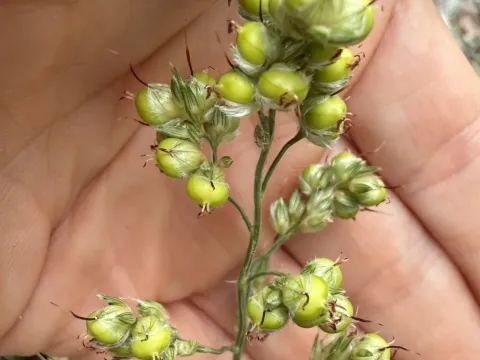
Guinea sorghum
Sorghum guineense
Guinea sorghum (Sorghum guineense) is a resilient cereal crop belonging to the Poaceae family, widely recognized for its adaptation to tropical environments. Sowing typically takes place at the onset of the rainy season to ensure sufficient moisture for germination.
What the section contains
Guinea sorghum
The soil temperature must reach at least 15 to 18 degrees Celsius before planting to ensure vigorous seedling emergence. In regions with shorter growing seasons, precision in timing is vital to avoid damage from early or late thermal fluctuations.
Seeds are sown at a depth of 3 to 5 centimeters, depending on soil moisture content and texture, to ensure proper contact and stability. Optimal row spacing is crucial for maximizing light capture and air circulation throughout the growing cycle.
Farmers often use mechanized seed drills to maintain uniform plant density, which facilitates later harvesting processes. Proper seed selection and coating with fungicides before planting significantly improve survival rates in field conditions.
The germination period usually takes several days, provided the soil remains moist and warm. Post-sowing irrigation is only recommended in arid areas if initial rainfall is insufficient to support the young, developing root system.
Guinea sorghum is a highly drought-tolerant plant, making it an excellent choice for regions with erratic rainfall patterns. It thrives under full sunlight, requiring high intensity of illumination for optimal development of the grain panicles.
The crop prefers well-drained loamy soils but shows remarkable adaptability across various soil types, provided they are not waterlogged. Neutral to slightly acidic soil conditions are ideal for maximum nutrient uptake.
Fertilization with nitrogen and phosphorus is essential for biomass production, especially during the rapid growth stages. Applying organic compost can further improve soil structure and water retention capacity in less fertile regions.
Weed management during the first four to six weeks after emergence is critical for the overall yield. Inter-row cultivation helps break the soil crust, allowing better oxygen penetration to the developing roots.
During the flowering stage, the plant is most sensitive to moisture stress, despite its drought-resistant nature. A balanced water supply during this window ensures better pollination and grain filling, leading to a higher final yield.
Fungal diseases, including smut and various leaf spots, are among the most common threats to sorghum health. Crop rotation is the primary strategy to prevent the buildup of soil-borne pathogens in the field.
Insect pests, specifically stem borers and aphids, can severely damage the plant tissues, leading to reduced growth or lodging. Integrated Pest Management (IPM) techniques are encouraged to maintain ecological balance while protecting the crop.
Birds can be a major nuisance during the maturation phase, often consuming significant portions of the developing grain. Protective netting or noise-based deterrents are commonly used in smaller farming operations.
Bacterial diseases can occasionally develop under conditions of high humidity and poor ventilation. Keeping plant populations at an optimal density helps minimize the impact of these conditions.
Regular field scouting is necessary to detect infestations or symptoms early, allowing for precise interventions. Maintaining plant vigor through balanced nutrition is the best defense against environmental and biotic stress.
The harvest occurs once the grain reaches physiological maturity, indicated by a drop in grain moisture content to approximately 15–18 percent. The color change of the panicle serves as a key visual indicator for farmers.
Combine harvesters are the standard machinery for large-scale operations, requiring adjustments to cylinder speed to prevent grain breakage. Proper cleaning of the grain during harvest ensures better quality for storage.
For fodder purposes, the crop is harvested earlier while the vegetative tissue is still nutrient-dense and green. This material is then ensiled or baled to serve as livestock feed throughout the dry season.
Post-harvest drying is an essential process to stabilize the moisture levels before long-term storage in granaries. Preventing fungal growth during this phase is key to maintaining grain quality and safety.
The remaining stubble left in the field after harvest can be incorporated into the soil to improve organic matter content. This sustainable practice enhances the soil health for subsequent agricultural cycles.