
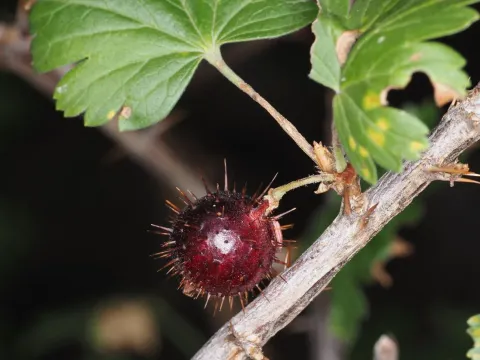
Pine currant
Ribes pinetorum
The Pine currant (Ribes pinetorum) is a member of the Grossulariaceae family, native to the high-elevation pine forests of Arizona and New Mexico. It has evolved to thrive in cool, shaded environments under coniferous canopy covers.
What the section contains
Pine currant
This shrub is characterized by its significant thorniness, featuring sharp spines at the nodes of its branches. It typically grows as an upright, deciduous shrub, reaching heights of up to two meters in favorable wild conditions.
Cultivation requires soils that are well-drained and slightly acidic, mimicking the forest floor composition. The shrub is highly sensitive to waterlogged conditions, which can lead to quick root decay in improper soil types.
Climate preferences for this species include cooler summers and protection from intense, direct solar radiation. Partial shade is essential for maintaining plant vigor and preventing leaf scorch during the peak of the summer season.
While the fruit is edible and provides a unique flavor profile, the plant is rarely found in mass commercial production. Its primary value in modern agriculture remains its genetic hardiness and potential utility in breeding programs for disease-resistant berry varieties.
The most significant pathological threat to the Pine currant is white pine blister rust, for which Ribes species often act as intermediate hosts. Therefore, careful site selection away from susceptible pine plantations is a standard agricultural recommendation.
Common pests such as aphids and spider mites can infest the foliage, particularly during extended dry spells. Regular inspection of the underside of leaves is necessary to detect early stages of infestation before they impact productivity.
Crown borers represent another major threat, as they tunnel into the stems and weaken the structural integrity of the shrub. Early detection through monitoring and immediate removal of infested wood is the best line of defense.
Preventative fungicide applications may be necessary in regions with high humidity to curb the development of leaf spot diseases. Keeping the base of the plant free from debris and weeds reduces the micro-habitat for potential pests.
Maintaining strong plant health through balanced fertilization and appropriate irrigation is key to mitigating damage. Proper pruning allows for better light penetration and airflow, reducing the overall pressure from fungal and insect pathogens.