
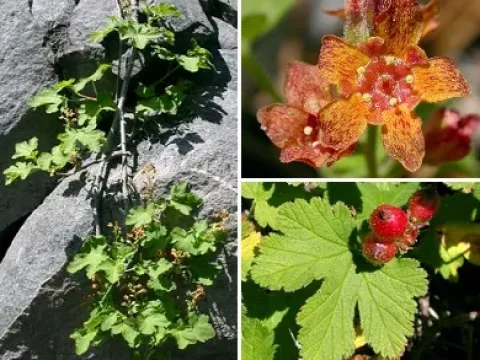
Redcurrant
Ribes erythrocarpum
Planting redcurrant seedlings is ideally performed in the autumn, allowing the roots to establish themselves well before the deep freeze of winter sets in.
What the section contains
Redcurrant
Spring planting is a viable alternative if carried out early enough, specifically before the buds begin to swell and the growth cycle officially initiates.
Selecting the correct location is paramount; the plant performs best in open, sunny environments where it receives consistent light throughout the day.
A typical planting density involves spacing the bushes between 1.2 and 1.5 meters apart to ensure sufficient airflow and ease of management for the gardener.
Before planting, the soil should be enriched with organic compost and phosphorus-potassium fertilizers to provide a strong nutritional foundation for the shrub.
Redcurrant belongs to the Grossulariaceae family and is recognized for its adaptation to cooler temperate climates, originating from North American regions.
The plant has a significant demand for consistent soil moisture, necessitating a regular irrigation schedule, particularly during the hot and dry summer months.
Fertile, well-draining loamy soils with a slightly acidic to neutral pH are considered the gold standard for achieving optimal growth and fruit production.
Applying mulch around the base of the plant is a critical horticultural practice to maintain soil moisture levels and protect the shallow root system from heat.
While the plant is generally frost-hardy, younger specimens or those in colder regions may benefit from soil mounding to protect the base during severe winters.
Productivity in redcurrant shrubs is heavily dependent on the age of the wood, with the most vigorous growth occurring on branches of intermediate age.
Gardeners can expect the first harvest of fruit around the third year after planting, provided the shrub has been given adequate care and nutrition.
The peak of fruit production usually occurs between the fifth and eighth year of the shrub's life, requiring careful management to maintain this output.
Pruning is the most essential tool for yield regulation; removing old and unproductive branches stimulates the growth of new, high-yielding wood for future seasons.
Redcurrants are known for their firm structure, which allows them to remain on the bush for a period after ripening without immediate risk of rotting.
Common pests that target redcurrant bushes include aphids and spider mites, which can drain the plant's vitality if they are not managed promptly.
Fungal diseases, specifically powdery mildew and anthracnose, are significant concerns in climates with high humidity, requiring preventative monitoring.
A successful defense strategy includes systematic sanitary pruning and the removal of any diseased plant material to prevent the spread of infections.
Integrated pest management, including the use of biological agents or organic fungicides, is recommended to keep the fruit safe for human consumption.
Maintaining clear surroundings by removing fallen leaves in the autumn is a simple yet effective way to reduce the population of overwintering pathogens.
Harvesting should take place when the berries reach full ripeness, characterized by a uniform, intense red color and a firm but juicy texture.
The culinary applications of these berries are vast, ranging from fresh consumption to the production of high-quality jams, jellies, and natural juices.
Because the berries are high in natural pectin, they are exceptionally well-suited for preserving and jellification without the need for synthetic additives.
Proper harvesting involves picking the clusters intact, which helps preserve the integrity of the fruit and prevents bruising during transport and storage.
Post-harvest care is crucial; fruit should be stored in a cool, ventilated area to maintain quality and minimize moisture loss shortly after collection.