
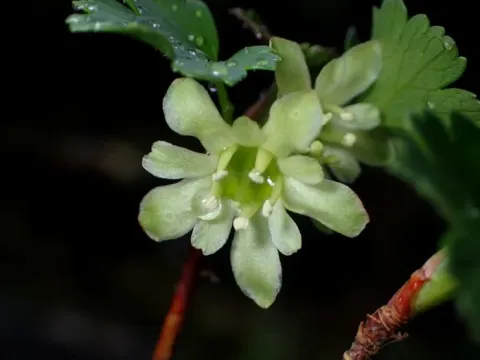
Ribes ambiguum
Ribes ambiguum
Ribes ambiguum is a unique shrub species belonging to the Grossulariaceae family. Native to the mountainous forest regions of the Far East, this plant is primarily adapted to cool and temperate environments where it thrives in the understory of coniferous and mixed forests.
What the section contains
Ribes ambiguum
The climate requirements for this species are specific, as it demands high humidity and protection from extreme summer heat. It is notably frost-hardy, capable of surviving harsh winter conditions, provided the root system is protected by sufficient snow cover or a layer of organic mulch.
Regarding soil preferences, Ribes ambiguum flourishes in nutrient-rich, well-draining loams with a slightly acidic to neutral pH. It is essential to ensure that the soil remains moist but not waterlogged, as poor drainage is one of the main factors limiting the health and growth of the shrub.
Light management is crucial for the success of this plant in cultivation. While it can tolerate some sun, it is biologically predisposed to partial shade conditions. Providing dappled sunlight helps prevent leaf scorch and maintains the integrity of the foliage during the peak of the growing season.
Cultivation practices involve regular organic enrichment of the soil to support vigor. Periodic pruning is also necessary, focusing on the removal of dead or unproductive wood to encourage new growth and improve light penetration into the center of the bush, which is vital for overall vitality.
The primary fungal threats to Ribes ambiguum include anthracnose and leaf spot, which are often triggered by prolonged damp weather. To mitigate these risks, it is essential to ensure adequate spacing between plants to facilitate optimal air circulation and reduce humidity levels around the canopy.
Pests such as aphids and spider mites are common adversaries for this species. These pests cluster on the undersides of leaves and young shoots, extracting sap and causing leaf curling. Regular inspection during the early spring is recommended to catch infestations before they cause significant damage.
Stem-boring insects may pose a long-term threat to the structural integrity of the plant. If any holes or signs of sawdust are detected on the branches, the affected parts must be pruned and discarded immediately to prevent the infestation from spreading further into the healthy wood.
Preventative cultural practices play a major role in protecting the plant. Clearing away debris and leaf litter from under the bushes during autumn significantly reduces the number of overwintering sites for both fungal spores and various harmful insects.
Utilizing integrated pest management techniques, such as encouraging natural predators or using horticultural oils, is highly recommended. These methods are effective and help maintain the ecological balance of the garden without excessive use of synthetic chemical treatments.