
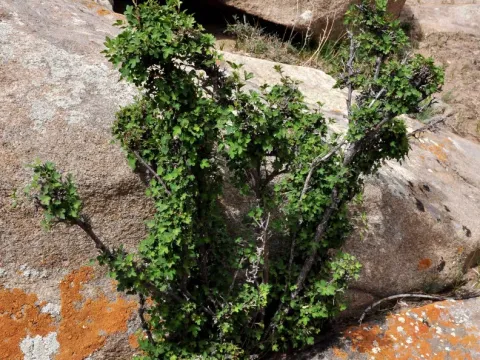
Pretty currant
Ribes pulchellum
Ribes pulchellum, commonly known as the pretty currant, belongs to the Grossulariaceae family. It is a deciduous shrub that is distinguished by its specific morphological features and its inherent adaptability to temperate environmental conditions.
What the section contains
Pretty currant
The native range of this species is primarily concentrated in East Asia. The plant thrives in environments characterized by cool, temperate climates and requires soils that are well-drained, nutrient-rich, and maintained at a slightly acidic to neutral pH level.
Cultivation success depends heavily on site selection, as the species performs optimally in full sun or light shade. It demonstrates significant cold hardiness, which is a key trait that allows it to survive in regions with harsh, freezing winter temperatures.
Agronomic practices should prioritize maintaining adequate soil moisture levels and ensuring proper soil aeration. The application of organic mulches is highly recommended to protect the root zone from temperature fluctuations and to suppress weed competition.
Structural maintenance involves periodic pruning to remove dead wood and to improve the architecture of the shrub. This practice ensures that the plant allocates energy efficiently toward vegetative growth and enhances its overall aesthetic and biological health.
The plant is susceptible to common diseases of the genus Ribes, including powdery mildew and various leaf spot fungi. Cultural control methods, such as maintaining appropriate plant spacing to encourage airflow, are the primary line of defense against these pathogens.
Pest management focuses on identifying and controlling aphids and other sucking insects that tend to colonize new growth. Monitoring during the early stages of the growing season is essential to minimize the need for heavy chemical intervention.