
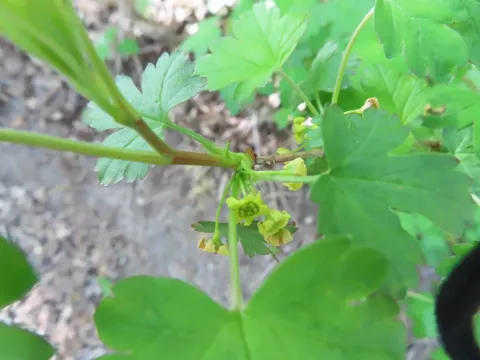
Cluster currant
Ribes fasciculatum
The cluster currant (Ribes fasciculatum) belongs to the Grossulariaceae family. Native to East Asia, including Japan, Korea, and China, this deciduous shrub typically thrives in woodland habitats and mountainous slopes. It is recognized for its unique flowering pattern where blossoms appear in clusters.
What the section contains
Cluster currant
Regarding cultivation, this species requires a temperate climate with consistent soil moisture. It prefers fertile, well-draining soils with a slightly acidic to neutral pH level. While it displays good cold hardiness, it benefits significantly from mulch application during the winter months to protect the shallow root system.
The botanical structure of the plant features slender, branching stems and typical trifoliate leaves. The flowers are small, yellowish, and fragrant, often attracting various pollinators in the spring. As a shrub, it generally maintains a manageable size, making it suitable for smaller garden plots.
In terms of agricultural techniques, pruning is essential to maintain plant vigor and encourage better air circulation within the canopy. Regular watering is vital during dry spells, as the plant does not tolerate prolonged drought. Fertilizing with organic matter in the early spring supports growth.
Its primary use is in ornamental landscaping rather than commercial fruit production. It serves as an excellent specimen for wild gardens, providing both aesthetic value through its berries and ecological benefits for local fauna. It is a hardy, low-maintenance choice for gardeners.
The cluster currant is generally robust but can be susceptible to common currant diseases such as leaf spot and powdery mildew. Maintaining adequate space between plants and ensuring proper soil drainage significantly reduces the risk of these fungal infections spreading during wet seasons.
Pest management should focus on monitoring for aphids and spider mites, which can damage the tender foliage. Integrated pest management, involving natural predators and periodic cleaning of the planting site, is the most recommended approach to keep the shrub healthy and productive.