
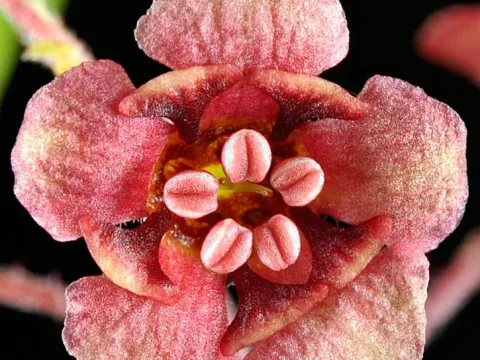
Colorado currant
Ribes coloradensis
Colorado currant (Ribes coloradense) is a deciduous shrub belonging to the Grossulariaceae family. Native to the mountainous regions of the Rocky Mountains, this plant is well-adapted to cooler climates and high-altitude ecological niches.
What the section contains
Colorado currant
The plant thrives in well-drained, nutrient-rich soils that retain moisture without becoming waterlogged. In the wild, it is typically found near streams or in moist forest openings where the soil is slightly acidic to neutral in pH.
For successful cultivation, providing partial shade is beneficial, as the plant can struggle under the intensity of hot, direct summer sun. It possesses excellent cold hardiness, making it a suitable choice for gardening in mountainous or northern temperate regions.
Agrotechnical management requires consistent soil moisture, especially during the fruit development phase. Organic amendments such as compost are preferred over synthetic fertilizers to maintain the health of the root system and microbial soil activity.
Given its origin, the Colorado currant is sensitive to drought and heat stress. Mulching the root zone is highly recommended to protect against rapid evaporation and temperature fluctuations in the upper soil layers.
The species is susceptible to various fungal pathogens, most notably powdery mildew and leaf rust, which often occur in humid environments with poor air circulation. Proper pruning is essential to thin the canopy and promote airflow.
Common pests such as aphids, mites, and scale insects can affect the plant. Integrated pest management strategies should be prioritized, focusing on cultural practices before relying on chemical control methods.
Sanitation is key to disease prevention; removing infected branches and fallen foliage significantly reduces the primary inoculum for fungal spores. Monitoring for pest activity in early spring is critical for timely control.
Avoiding overhead watering helps to decrease the risk of foliage diseases, as damp leaves serve as a primary gateway for many bacterial and fungal infections. Irrigation should be directed at the base of the shrub.
Because the Colorado currant is often resistant to many common garden pests found in lower altitudes, it remains a robust choice for specialized gardens provided that its specific microclimate needs are met.