
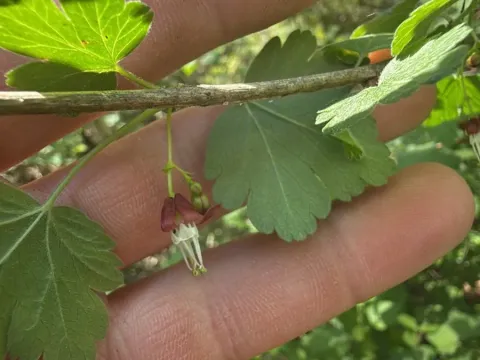
Coast gooseberry
Ribes divaricatum
Coast gooseberry (Ribes divaricatum) is a deciduous shrub belonging to the Grossulariaceae family. Native to the Pacific Coast of North America, it thrives in varied habitats ranging from open woodlands to river banks.
What the section contains
Coast gooseberry
The species is highly adaptable to different soil textures, provided there is adequate drainage. It performs best in fertile, loamy soils with a pH level ranging from slightly acidic to neutral, avoiding waterlogged conditions.
It prefers full sun exposure to maintain vigorous growth and optimize fruit sugar content. While it can tolerate partial shade, insufficient sunlight significantly reduces overall productivity and encourages leggy, unproductive branches.
Botanically, this shrub is identified by its sharp nodal spines and distinctive three-to-five-lobed leaves. It typically blooms in early spring, producing pendulous flowers that eventually develop into small, dark purple-to-black berries.
Agricultural success depends on proper irrigation during the peak growing season and organic fertilization. Regular pruning is essential to stimulate the development of productive wood and to ensure adequate airflow within the shrub's center.
Powdery mildew is the most prevalent fungal disease affecting Ribes divaricatum, particularly in regions with high humidity. It manifests as a white dusty coating on leaves, shoots, and developing fruit.
Pest pressure often comes from aphids and gooseberry sawfly larvae. These pests can rapidly defoliate a bush, necessitating early intervention with biological or chemical controls to maintain plant health.
Anthracnose can cause spotting on leaves leading to premature leaf drop. Good sanitation practices, including the removal of infected fallen leaves in autumn, are critical for reducing the pathogen load for the following season.
Scale insects can also impact the vigor of older branches by sucking sap. Regular monitoring of stems during winter pruning helps identify infestations before they become unmanageable.
Poor site selection, such as planting in low-lying areas with restricted air movement, exacerbates disease susceptibility. Maintaining proper spacing between bushes is a fundamental preventive measure for commercial growers.
The berries are harvested when they reach full maturity, indicated by their dark coloration. Because the fruit is delicate, hand-picking is the preferred method to prevent bruising during the harvest process.
Post-harvest handling is critical due to the short shelf life of fresh gooseberries. Immediate cooling or processing is recommended to preserve the fruit's nutritional value and culinary quality.
In culinary applications, the berries are widely used in preserves, jellies, and desserts. Their natural pectin content makes them an excellent candidate for jam production without the need for additional gelling agents.
This species serves as a valuable genetic resource in plant breeding, specifically for developing varieties with high frost tolerance. Its resilience makes it a subject of interest for expanding small fruit cultivation in northern zones.
Beyond human consumption, the berries are also a source of food for local wildlife, integrating the plant into broader biodiversity projects. Effective management of the crop ensures both high yield and ecological balance in the garden.