
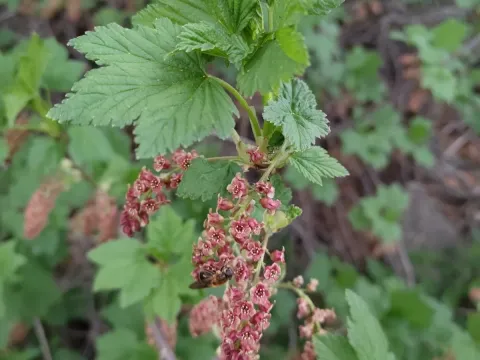
Carpathian currant
Ribes carpaticum
The Carpathian currant (Ribes carpaticum) is a perennial deciduous shrub belonging to the Grossulariaceae family, native to the mountainous regions of the Carpathian Mountains. This species is naturally adapted to cool, moist environments and thrives in high-altitude climates with consistent soil moisture.
What the section contains
Carpathian currant
In terms of agricultural requirements, this crop favors fertile, well-drained loamy soils with a pH ranging from slightly acidic to neutral. Ensuring the soil has high organic matter content is essential for promoting vigorous vegetative growth and high-quality berry production.
The plant requires adequate solar exposure but is sensitive to extreme heat; therefore, selecting a site with proper air circulation and potential protection from direct scorching afternoon sun is vital for its long-term health.
Water management is critical for Ribes carpaticum; the species has a relatively shallow root system and does not tolerate prolonged drought. Implementing irrigation during critical fruit-setting stages significantly improves both yield volume and berry size.
Proper cultivation involves annual pruning techniques to remove old or damaged wood, which encourages the development of new, productive shoots and prevents the canopy from becoming too dense, thus reducing the microclimate humidity inside the bush.
Like many species in the Ribes genus, the Carpathian currant is susceptible to powdery mildew, especially during seasons characterized by high humidity and frequent temperature fluctuations that stress the plant's immunity.
Anthracnose and leaf spot diseases present recurring challenges, often resulting in premature defoliation if left untreated. Integrated pest management (IPM) strategies, including fungicide rotations, are recommended to maintain plant vitality.
Insect pests, such as aphids and the currant bud mite, pose significant threats by distorting plant growth and acting as vectors for various plant viruses that can cause systemic decline of the bushes over several years.
Regular monitoring for early signs of infestation is essential for effective control. Using biological controls, such as introducing predatory insects, can effectively manage aphid populations without the need for aggressive chemical interventions.
Maintaining clean planting rows and removing fallen leaves in the autumn are basic but effective sanitary practices to minimize the overwintering of pathogens and insect larvae near the bushes.
The harvest season for Carpathian currant typically peaks mid-summer. Given the non-uniform ripening pattern often seen in this species, berries should be harvested in multiple pickings to ensure optimal maturity and flavor concentration.
The fruit is highly valued for its unique phytochemical profile, making it a desirable candidate for the specialty food industry, particularly in the production of high-end jams, jellies, and natural syrups.
Post-harvest handling is critical due to the fragile skin of the berries. Rapid cooling and controlled humidity environments are necessary to prevent rapid degradation and maintain the shelf life of the fresh produce.
For industrial processing, mechanical harvesting methods are generally discouraged to avoid damage to the berries; hand-picking remains the standard method to maintain superior quality for fresh market consumption.
Effective plantation management includes cyclical renewal of the bush structure, ensuring that the fruit-bearing capacity remains high while maintaining the plant's resilience against seasonal fluctuations in climate.