
Ribes gayanum
Ribes gayanum
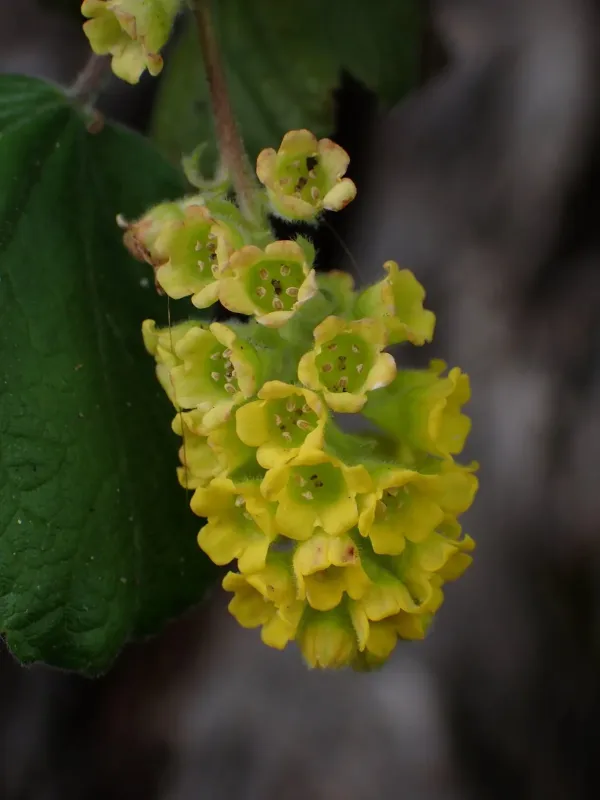
Description
Growing requirements
Ribes gayanum is an evergreen or semi-evergreen shrub belonging to the Grossulariaceae family. Unlike common currants, this species is noted for its ability to retain its foliage in moderate climates, making it a distinct member of its genus.
The plant originates from the mountainous regions of South America, specifically Chile. Its natural habitat is characterized by cool temperatures and significant humidity, which defines its preference for temperate environments.
Botanically, it features leathery, dark green leaves and hanging racemes of flowers. Its growth habit is typically bushy, making it a valuable addition to ornamental landscapes where such unique specimens are desired.
Successful cultivation requires well-drained, slightly acidic soil rich in organic matter. Proper drainage is essential to prevent root rot, as this species is sensitive to waterlogged soil conditions.
The species prefers dappled shade and should be protected from harsh afternoon sun, especially in warmer regions. If grown in containers, it should be moved to a sheltered location during the coldest months to prevent freeze damage.
Main diseases and pests
Powdery mildew is the most common fungal issue for Ribes gayanum, especially in stagnant air or environments with high humidity and poor circulation.
Spider mites pose a significant risk, particularly during hot and dry periods when the humidity around the leaves drops, causing the mites to proliferate rapidly.
Aphids may infest new growth during the spring, which can stunt the development of the shrub. Early detection and treatment with insecticidal soap are recommended to maintain plant health.
Leaf spot diseases can also occur, particularly during wet seasons, requiring regular sanitation of fallen foliage and potential application of targeted fungicides.
Maintaining a healthy environment through proper pruning, adequate spacing, and consistent monitoring is key to preventing the spread of these common horticultural threats.