
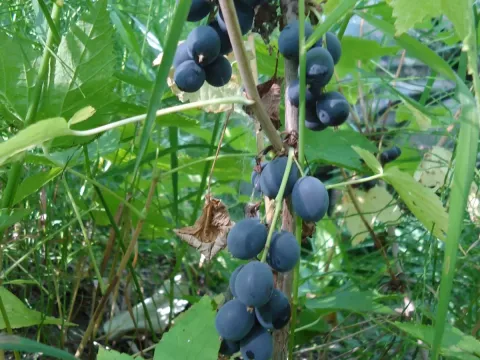
Ribes dikuscha
Ribes dikuscha
Ribes dikuscha, commonly known as the Aldan currant or Dikusha currant, is a deciduous shrub belonging to the Grossulariaceae family.
What the section contains
Ribes dikuscha
Native to the regions of Eastern Siberia and the Russian Far East, this species is well-adapted to cool, humid environments and alluvial soil conditions.
The plant performs best in moist, well-drained soils rich in organic matter, reflecting its natural habitat along riverbanks and in forested areas.
Agricultural success depends on mimicking these native conditions: maintaining consistent soil moisture and providing partial shade in warmer climates.
Pruning is essential to maintain plant health, specifically removing older, less productive wood to encourage vigorous new growth from the base.
Ribes dikuscha is valued for its potential in breeding programs, primarily due to its exceptional cold hardiness and resistance to common pests.
The berries are rich in vitamin C and antioxidants, making them a valuable raw material for juice production, jams, and pharmaceutical applications.
Under cultivation, plants show consistent yields, provided they are managed correctly with proper fertilization and moisture control during the growing season.
The fruit has a firm texture, which contributes to better handling qualities compared to more delicate varieties of black currant.
Continuous efforts in selection are aimed at increasing berry size while preserving the species' inherent robustness and unique chemical profile.
One of the primary benefits of Ribes dikuscha is its natural resistance to mildew and leaf spot diseases that often devastate commercial crops.
However, the species can be susceptible to bud mites if grown in close proximity to infested gardens, requiring careful monitoring of dormant buds.
Maintaining air circulation through appropriate spacing and strategic pruning significantly reduces the likelihood of fungal outbreaks in denser plantings.
Integrated pest management strategies should be prioritized, focusing on preventive measures rather than the excessive use of chemical fungicides.
Regular inspection of the root collar and foliage is advised to identify early signs of localized pest pressure or nutrient deficiencies.
Harvesting usually occurs in mid-to-late summer, depending on local climate conditions and the progression of fruit maturation.
The berries develop a deep dark color with a distinct waxy bloom, signaling that they have reached the ideal stage for harvest.
Manual harvesting remains the most common method, as it ensures the integrity of the fruit and avoids the bruising of the delicate skins.
Harvested fruit should be kept in a cool, well-ventilated environment and processed as soon as possible to maintain freshness and nutritional value.
Proper storage temperatures are critical, as the berries are highly perishable if exposed to prolonged heat or direct sunlight after being picked.