
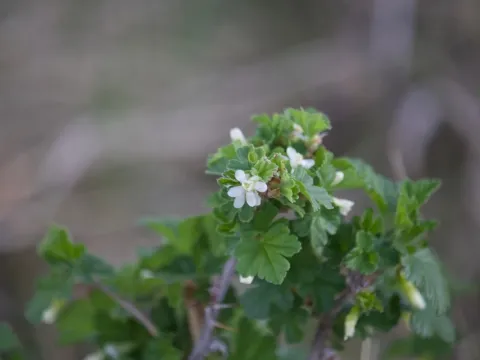
Bristly currant
Ribes setosum
Bristly currant (Ribes setosum) is a deciduous shrub belonging to the Grossulariaceae family. Native to North America, this species is known for its remarkable resilience and adaptation to harsh, mountainous environments, which makes it a unique botanical subject.
What the section contains
Bristly currant
The plant features distinct spiny stems and attractive foliage, reaching a moderate height that makes it manageable for home gardens. Its cold-hardy nature allows it to thrive in regions where other members of the genus might suffer due to sudden temperature drops.
For optimal growth, Ribes setosum requires well-drained soil rich in organic matter. While it prefers sunny locations, it possesses a degree of shade tolerance, provided that soil moisture is consistently maintained during the growing season.
Agricultural management includes regular pruning, which is essential for maintaining plant vigor and promoting fruit production. By removing old or crowded branches, gardeners can ensure better sunlight penetration and air circulation throughout the canopy.
The primary economic value of this species lies in its genetics. It serves as a valuable resource for plant breeders looking to incorporate traits of winter hardiness and pathogen resistance into commercial currant varieties.
The most common pests affecting this shrub include aphids and the currant borer, which can significantly weaken the plant if left unchecked. Regular monitoring of the foliage and stems is necessary for early detection of these pests.
Fungal diseases, specifically powdery mildew, pose a significant risk, especially in environments with high humidity levels and poor airflow. Managing plant spacing is a proactive measure against these issues.
Integrated pest management strategies should prioritize the use of organic horticultural oils and soaps when infestations are spotted early in the season to minimize environmental impact.
Leaf spot diseases can also occur, particularly during wet seasons, leading to premature defoliation. Sanitation measures, such as collecting and disposing of fallen leaves, are vital to break the disease cycle.
Maintaining a balanced fertilization program helps the plant sustain a strong immune system, making it less susceptible to the various pathogens and environmental stresses it might encounter during the growing cycle.