
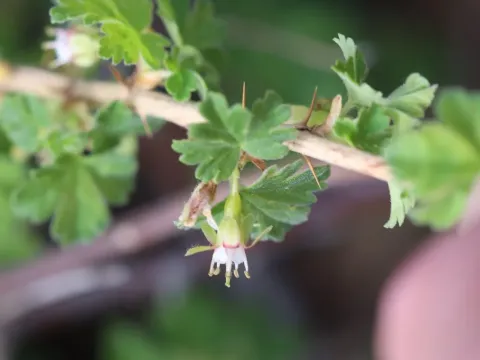
Ribes inerme
Ribes inerme
Ribes inerme, commonly known as the white-stem gooseberry or spineless currant, is a deciduous shrub belonging to the Grossulariaceae family. Native to western North America, it naturally inhabits forested areas, canyons, and stream banks, thriving in cool environments.
What the section contains
Ribes inerme
Botanically, the species is distinguished by its smooth, unarmed branches, lacking the characteristic spines found in many other related species. This trait makes it a subject of interest for breeders looking to develop easy-to-harvest berry varieties.
The crop thrives in temperate climates with mild summers and cold winters. It prefers well-drained, nutrient-rich soils that retain moisture without becoming waterlogged. Partial shade is recommended in regions with intense summer heat to prevent leaf scorch.
Cultivation practices involve regular pruning to remove old, woody stems, which promotes the growth of vigorous new canes. This ensures a healthy structure and improves the overall light penetration within the canopy for better fruit development.
While often found in the wild, the plant has potential for specialty fruit production. Its berries are small to medium-sized, possessing a distinct flavor profile suitable for artisanal jams, jellies, and desserts, contributing to its value in niche horticultural markets.
The yield potential of Ribes inerme depends heavily on environmental conditions and pollination. In favorable habitats with sufficient spring moisture, the shrub produces consistent annual crops, typically ripening in mid-to-late summer.
Proper plant spacing is essential for maximizing yield. When planted in rows with at least 1.5 to 2 meters between bushes, the plants receive sufficient nutrients and water, allowing for fuller development of fruit clusters along the branches.
Nutrient management, specifically the application of organic matter and balanced potassium-rich fertilizers, significantly enhances berry size and sugar content. Monitoring soil pH is also important, as the plant performs best in slightly acidic conditions.
Pollination is generally supported by native insects, but in commercial setups, promoting local bee populations is highly beneficial. A well-tended shrub can produce several kilograms of fruit annually, depending on the age and vigor of the bush.
Harvesting efficiency is improved by the spineless nature of the plant, allowing for faster picking cycles compared to traditional thorny cultivars. Berries are best harvested when fully colored to ensure the peak of sweetness and aromatic quality.
The primary fungal threats to Ribes inerme include powdery mildew and anthracnose, which can defoliate plants prematurely during humid seasons. Good air circulation through proper pruning is the first line of defense against these infections.
Insect pests such as the currant aphid can cause significant damage to young shoots and leaves. Monitoring for curled leaves early in the season allows for prompt intervention using horticultural oils or soaps before the population explodes.
The currant fruit fly is a major concern as its larvae develop within the berries, rendering them unfit for consumption. Managing the life cycle through soil cultivation and the use of protective netting can significantly reduce damage levels.
Environmental stress, such as prolonged drought, can weaken the plant, making it more susceptible to opportunistic diseases and mites. Maintaining consistent irrigation during the fruit-set stage is vital for plant resilience.
Winter injury is rarely a problem due to the species' native hardiness, but late spring frosts can destroy emerging flowers. Providing shelter or site selection in areas that do not act as frost pockets is recommended for stable production.