
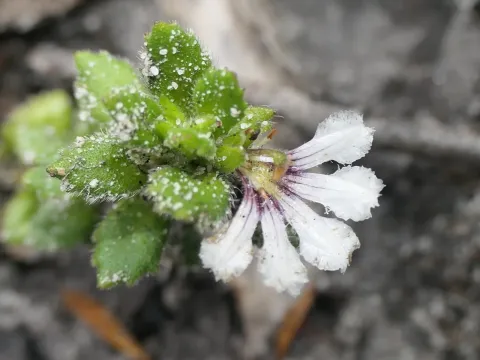
Scaevola hookeri
Scaevola hookeri
Scaevola hookeri is a perennial ground cover plant belonging to the Goodeniaceae family. Known for its prostrate growth habit, this species is highly valued for its ability to form dense, mat-like carpets, making it an excellent choice for rock gardens and ground stabilization in various landscape projects.
What the section contains
Scaevola hookeri
The plant originates from mountainous regions, which dictates its preference for well-aerated, rocky, or sandy substrates. Unlike many other tropical species of the genus, Scaevola hookeri shows remarkable cold tolerance, allowing it to thrive in climates where temperatures drop significantly during winter months.
Soil management is critical for this crop. The ideal growing medium should provide rapid water drainage, as the species is highly susceptible to root hypoxia and rotting in waterlogged soils. Integrating organic matter into the topsoil layer improves nutrient retention without compromising the drainage capacity.
Regarding climatic requirements, the plant prefers open, sunny environments where it can receive maximum exposure to sunlight. While it can adapt to partial shade, light intensity is the primary driver for achieving high plant density and sustained flowering throughout the growing season.
Agronomic practices for this species focus on minimal but precise intervention. Fertilizer application should be carefully managed, prioritizing phosphorus and potassium over nitrogen to support root development and hardiness rather than excessive vegetative growth. Regular pruning of overextended shoots can encourage denser branching.
The most significant pathological threat to Scaevola hookeri is fungal infection originating from soilborne pathogens, specifically Pythium and Phytophthora species. These pathogens capitalize on poor drainage and excessive irrigation, quickly causing stem collapse and root death.
Foliar diseases, particularly powdery mildew, represent a serious risk during periods of high humidity and stagnant air. Infected leaves develop a powdery white coating that severely impairs photosynthetic efficiency and reduces the visual aesthetic of the ground cover.
Insect pests such as aphids and spider mites can cause substantial damage if not identified during early colonization. Aphids target the tender apical growth, while spider mites extract cell contents from the leaves, leaving behind stippling and eventual necrosis.
Gastropods, including slugs and snails, are frequent visitors during the cool, wet spring months. They can cause physical damage to the leaves by grazing on the succulent tissue, creating irregular holes and providing entry points for secondary bacterial or fungal infections.
Effective management strategy relies on strict adherence to irrigation protocols and the implementation of prophylactic treatments. Maintaining a clear field of view for monitoring and ensuring adequate plant spacing allows for better ventilation, which significantly reduces the incidence of both pests and diseases.