
Velleia
Velleia
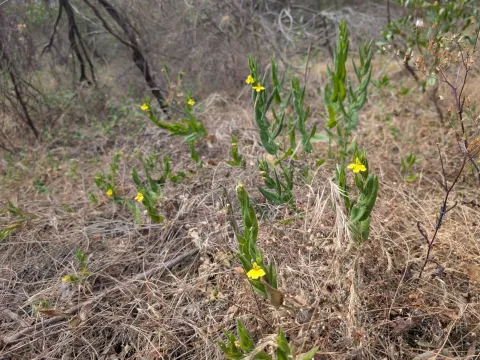
Velleia is a genus of herbaceous plants native to Australia, belonging to the Goodeniaceae family. These plants are known for their resilience and ability to thrive in harsh environments, often colonizing sandy or gravelly soils in arid regions across the continent.
What the section contains

Velleia
Botanically, Velleia species typically feature basal rosettes of leaves and distinct yellow or orange flowers with specific floral morphology. The plants act as xerophytes, utilizing efficient water retention mechanisms to survive periods of prolonged drought in their natural habitat.
Successful cultivation requires a well-draining substrate that mimics the plant's native soil. Using a mix of coarse sand, perlite, and a small portion of potting soil is highly recommended to prevent moisture retention that can lead to root degradation.
Velleia species require significant sunlight to thrive; in low-light conditions, the plants become spindly and fail to produce flowers. It is best to place these plants in a bright, sunny spot where they can receive several hours of direct light daily.
Temperature management is crucial as these plants are not frost-tolerant. They flourish in warm, stable climates where temperatures range between 18°C and 25°C. In colder climates, they should be grown as container plants and brought indoors before the first frost.
Root rot remains the most common and fatal issue for Velleia. Overwatering or poor drainage causes the roots to suffocate and decay, creating an environment perfect for water-borne pathogens that attack the plant's structural integrity.
Pests such as aphids and spider mites are frequently found on Velleia during periods of drought or when the plant is stressed. They prefer the tender new growth and flower buds, significantly hindering the plant's ability to complete its reproductive cycle.
Fungal infections like powdery mildew can appear if the plant is kept in an environment with high humidity and poor air circulation. Providing adequate spacing between plants and maintaining good ventilation are essential to mitigate these risks.
Root-knot nematodes can also be a hidden threat if the soil is contaminated. These soil-dwelling pests damage the root system, leading to stunted growth and yellowing of the leaves, which is often misdiagnosed as nutrient deficiency.
Preventive maintenance includes maintaining a clean growing area, using sterilized tools, and avoiding overhead watering, which keeps the foliage dry. If an infestation occurs, horticultural soaps or specific insecticides should be applied carefully to avoid damaging the sensitive plant leaves.